


Excavation in Austin & the Texas Hill Country Pool shells, rock, pads and footings.
We dig pool shells, foundations, pads, trenches, ponds and rock cuts in Austin, the Hill Country and Central Texas. Soil work is priced per job. Limestone runs $35–$90 per cubic yard, billed by volume or by the hour when the volume is unknown. Written quote within 48 hours of the site walk.
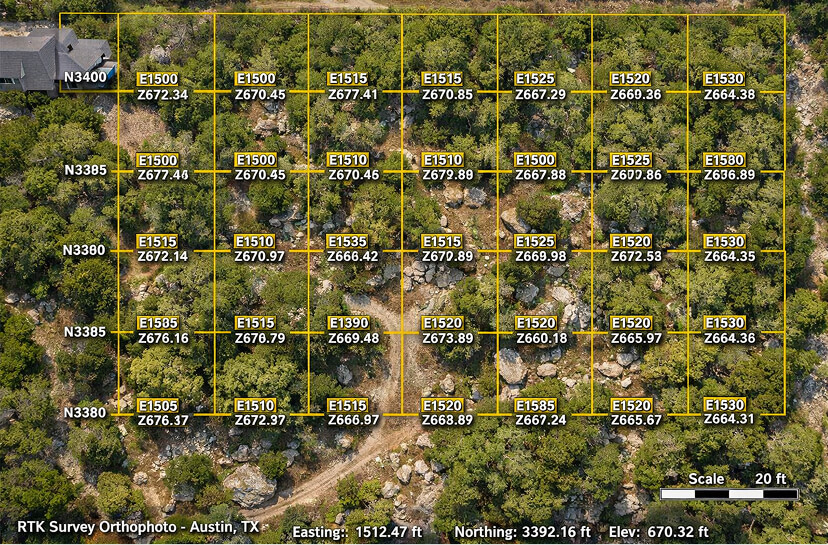
Excavator with a hydraulic hammer for Hill Country limestone. Drone surface maps before and after, so quantities are measured, not guessed.
What makes Central Texas excavation hard?
The ground.
West of the Balcones Fault, Edwards and Glen Rose limestone sits at or near the surface, sometimes 18 inches down. East of it, you dig Austin Chalk and Blackland Prairie clay. They dig differently, price differently and drain differently.
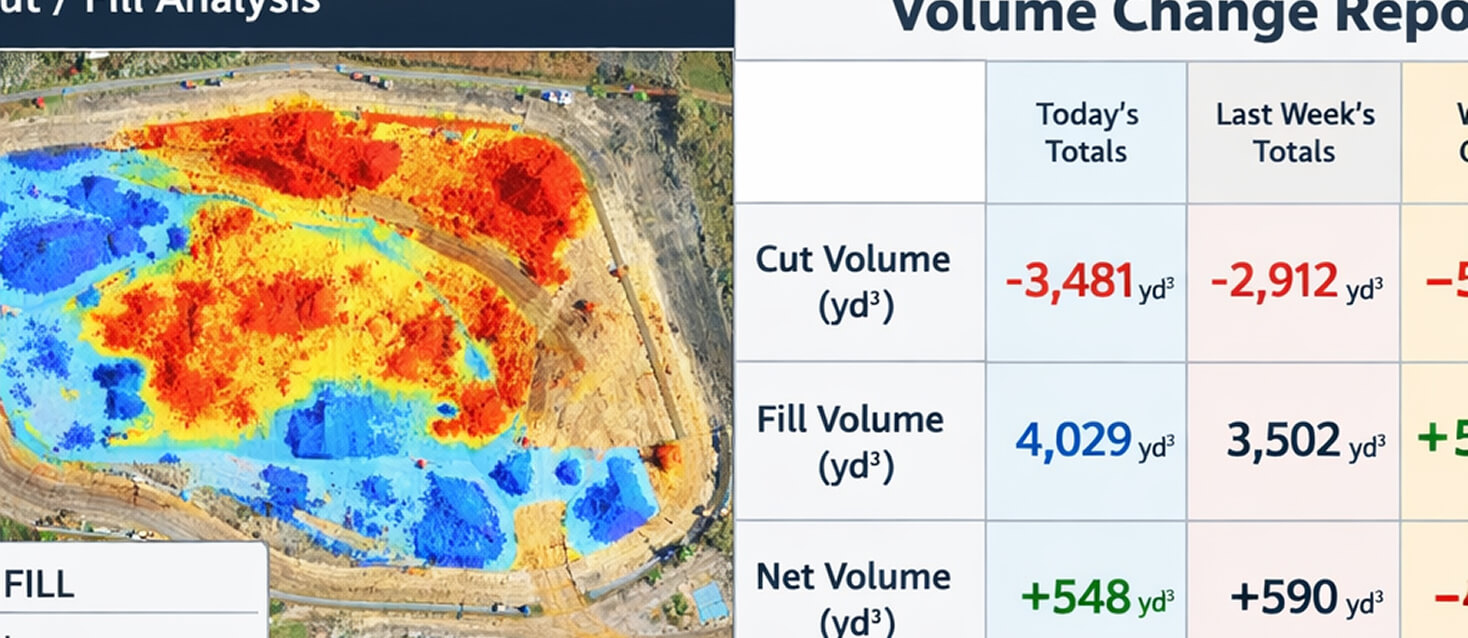
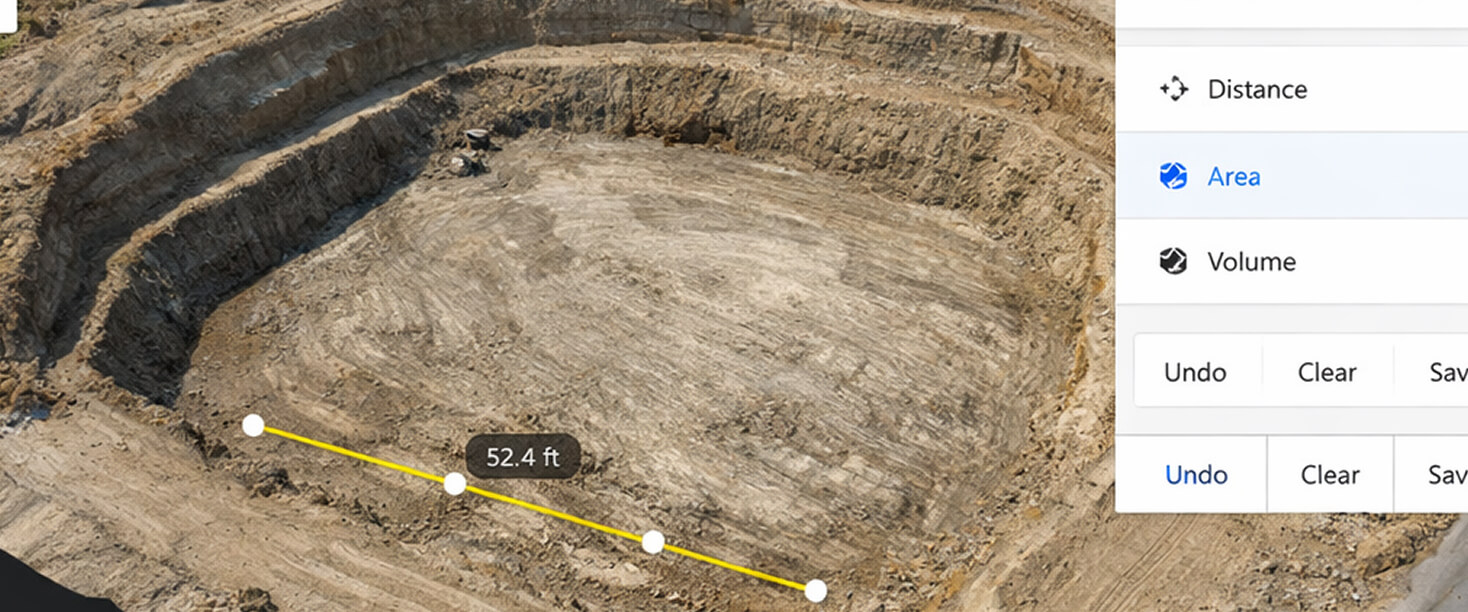
Before the first bucket moves, we walk the site and probe and test-hole where rock is likely. An optional drone scan measures the surface so cut and fill volumes are measured. A drone models the ground surface. Rock, footings and buried lines below the surface are found with test holes, probing, 811 locates and GPR where needed.
Site Prep & Pad Prep
Residential and light commercial pad creation. Cut and fill to the plan grade, compacted in lifts, with elevation checks during the work and not just at the end.
Excavator and rented dozer or compaction as needed
Utility & Drainage Trenching
Water, sewer, electrical, gas and drainage trenches dug to your plan. We call 811 before we dig and take photos and GPS points of the open trench before backfill, so the as-built location is on record.
Excavator with hammer for rock
Grading & Drainage Prep
Finish grade, swales and corrective regrades so water leaves your foundation. We grade to your plan or to the code minimum: 6 inches of fall in the first 10 feet (5%) on soil (IRC R401.3).
Excavator and compact track loader
Limestone & Rock Excavation
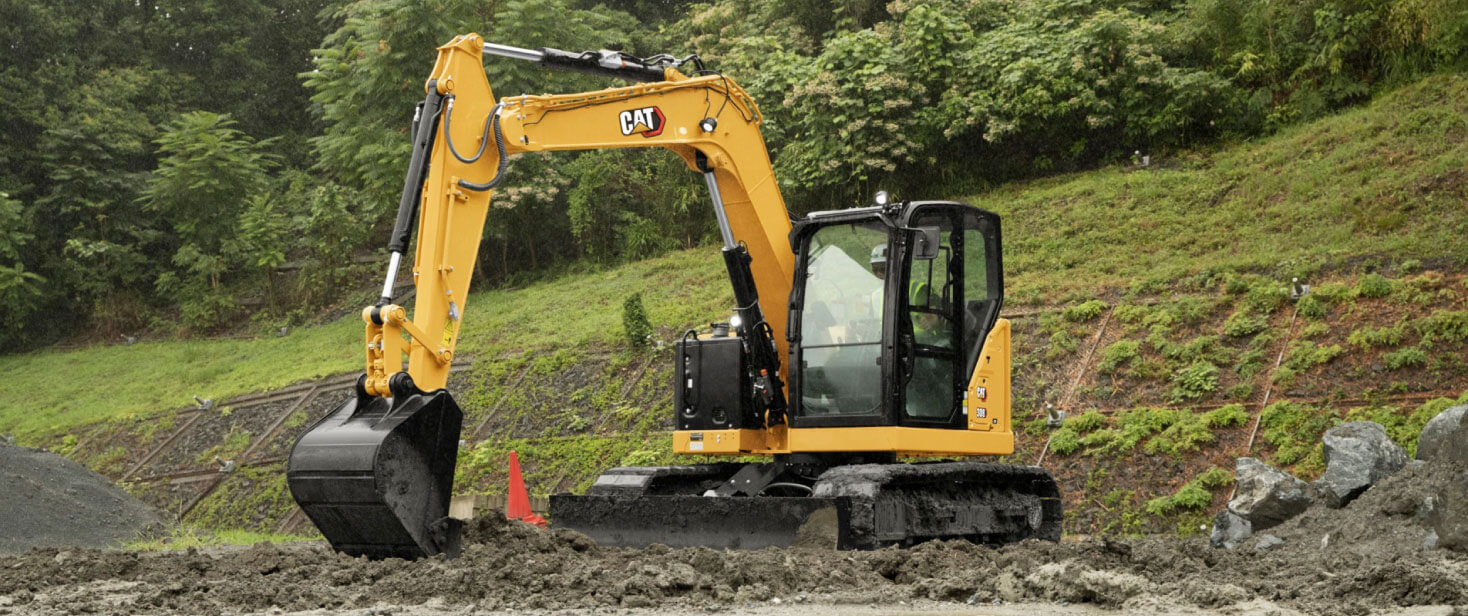
Hard limestone can sit 18 inches below grade in the western half of our market. Standard rental equipment struggles with it. We run an excavator with a hydraulic hammer and can measure the cut volume with an optional drone survey before and after.
Rock is billed per cubic yard, or by the hour for hammer work when the volume can't be known ahead of time.
Excavator with 1,500 lb hydraulic hammer · Rock milling available
Foundation Excavation
Pier holes, strip footings and full perimeter excavation for single-family footprints, dug to your engineer's plan. We photograph the open footings before concrete.
Excavator and auger as the plan requires
Tight Lot & Legacy Tree Excavation
50×100-foot lots, five-foot setbacks and protected oaks. We use compact equipment and work the tree rules: in Austin a protected tree is 19 inches or more in diameter, a heritage tree 24 inches or more.
Critical root zone limits come from the City of Austin Environmental Criteria Manual. We lay out the zone before iron rolls near a tree and coordinate with your arborist.
CAT 305.5E2 mini excavator, compact radius
Retaining Walls
Block, boulder and engineered retaining walls. Walls retaining more than 4 ft of unbalanced fill need an engineered design and usually a permit. Excavation, base, drainage and wall are one scope.
Segmental block · boulder · engineered
Pool Shell Excavation
Pool digs in Hill Country limestone, dug to your builder's plan, including freeform shells. We work carefully next to existing slabs, patios and foundations and tell you up front when rock changes the schedule.
Excavator with hydraulic hammer
Pond & Stock Tank Construction
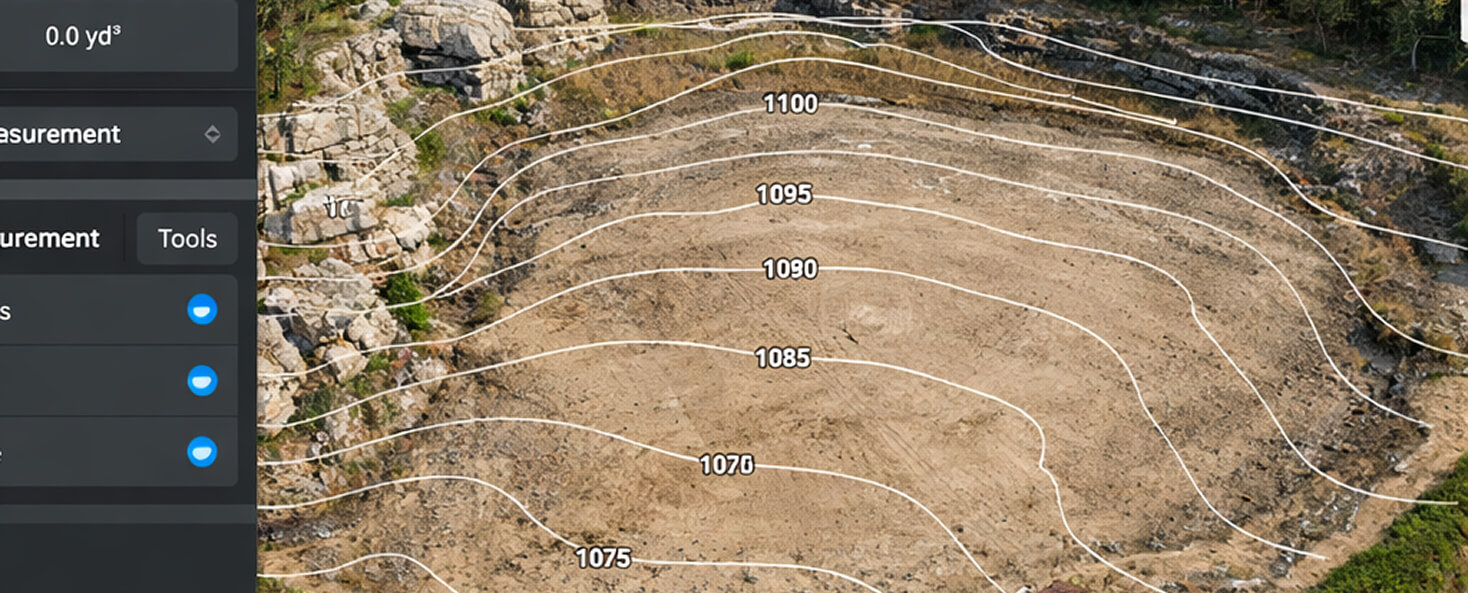
Ranch ponds, stock tanks, fishing ponds and retention basins. We fly your site first and quote from the measured cut volume.
Hill Country ground drains fast. We check the soil, key a core trench into tight material and place clay in compacted lifts. Dams and water rights have rules, covered on the pond page.
Drone terrain model · cut volume in CY
How much does excavation cost in Austin?
| Service | Unit | Range | Typical timeline |
|---|---|---|---|
| Site & pad prep | per lot | $12,000–$22,000 | 2–5 days |
| Utility & drainage trenching | per linear foot | $5–$40 | 0.5–2 days for 50–200 ft |
| Grading & drainage prep | per lot | $2,500–$8,000 | 1–3 days |
| Rippable caliche / soft limestone | per cubic yard | $35–$45 | Depends on volume |
| Hard rock (hammer) | per cubic yard, or hourly when volume is unknown | $65–$90 | 2–10 days typical |
| Foundation excavation | per structure | $15,000–$28,000 | 1–3 days |
| Pool shell | per pool | $4,500–$28,000 | 1–5 days (2–2.5 weeks with rock) |
| Retaining walls | per sq ft of wall face | $35–$90 | Days to weeks by height |
| Ponds and stock tanks | by cut volume | Quoted | Set at the site walk |
Prices reviewed: September 2026. Ranges for Austin and Central Texas; your site walk sets the final number. Most jobs start 1–3 weeks after approval. Rock is billed per cubic yard, or by the hour for hammer work when the volume can't be known ahead of time. See full pricing.
What will excavation
on your site cost?
Get a price range for Austin & Hill Country excavation in 60 seconds. Pricing comes straight from our published rate card. A site walk sets the final number. A drone scan measures the ground surface only; rock below it is confirmed with test holes and probing.
- Free site walk
- Written, itemized quote
- Insured crew ($2M per occurrence / $5M aggregate general liability)
- Operator and fuel
Planning estimate only. Final pricing is set after a site walk. Limestone, slope and access may shift price within the published range. Written quote within 48 hours of the site walk.
Every job includes a site walk and a photo record. A drone surface map is an optional add-on ($500–$1,500 per scan). You are buying measured, documented earthwork. RTK-corrected drone photogrammetry, checked against ground points on site. Our drone scans measure surfaces, quantities and grades. They are not a boundary survey or a sealed survey by a licensed surveyor, and a drone cannot see below the ground surface.
How does an excavation job run?
Five phases, one record.
We Walk It Before We Dig.
We walk the site, look for rock outcrops and old fill, and can fly a drone to map the surface if you add the optional scan. That gives us grades, drainage paths and starting volumes. Where rock is likely we probe or dig a test hole, because a drone cannot see below the surface. You get the conditions and unit rates in writing before we quote.
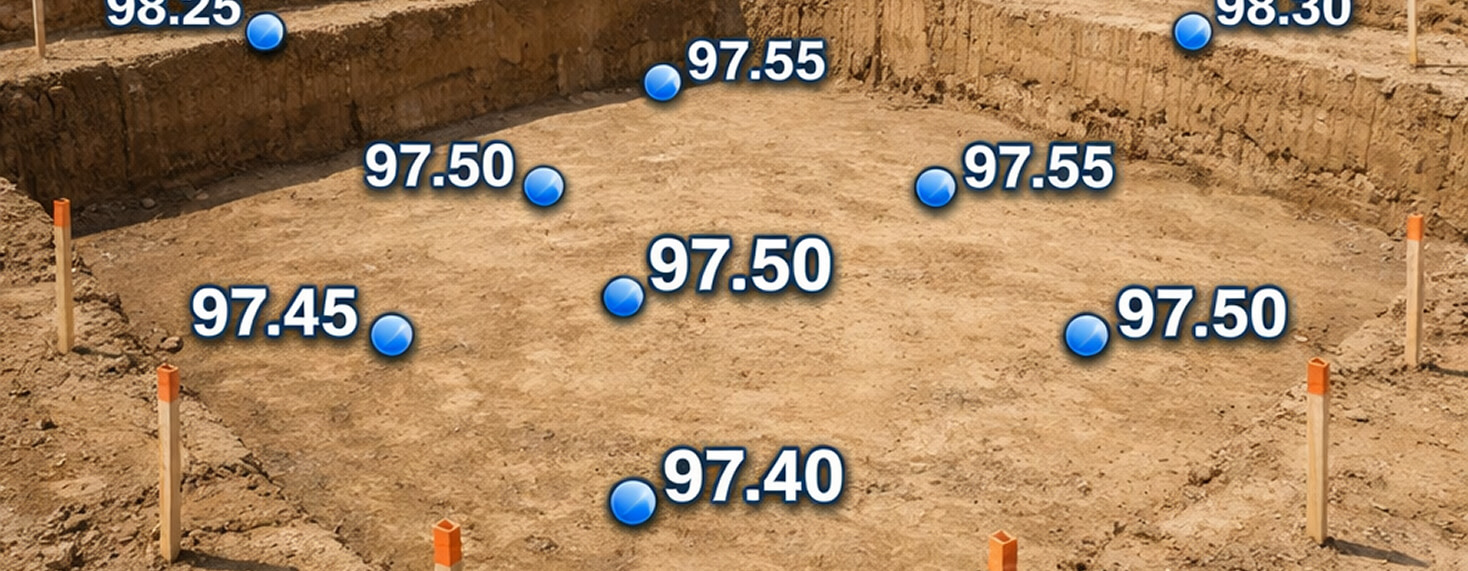
Excavation is often phase two or three of a multi-service project. One mobilization can handle clearing, rock milling, excavation and grading in sequence, with a handoff record at each step.
Job photos: excavation, rock and pool shells around Austin and the Hill Country.
Who hires us for excavation?
People building what's next.
Sound familiar? "Hit limestone at 18 inches, blew the timeline, broke the equipment, and the homeowner is furious."
We dig limestone for a living. We walk the site and probe for rock before you mobilize, so you can quote with a number for rock in hand. The hydraulic hammer handles what standard rental equipment can't, and we work carefully beside existing foundations and slabs.
See how we work with pool buildersSound familiar? "Drainage review failure. Killed a heritage tree. Permitting delay destroyed the pro forma."
One mobilization can cover demolition, clearing, excavation and grading. Protected and heritage trees are flagged and the critical root zone laid out before clearing begins. You get photos and a surface model to support your submittal.
See how we work with infill developersSound familiar? "The survey crew takes weeks to mobilize, and I just need current surface data."
Georeferenced drone capture delivered as orthophoto, point cloud and 3D surface model. Our drone scans measure surfaces, quantities and grades. They are not a boundary survey or a sealed survey by a licensed surveyor, and a drone cannot see below the ground surface. Your surveyor still certifies boundaries and sealed deliverables.
See the data specsWhat equipment do we run?
The iron behind the work.
Compact-radius mini excavator for tight residential and urban sites, with a hydraulic hammer for rock. It works where full-size machines can't fit: narrow infill lots, backyard pool digs and next to existing structures. Larger excavators, dozers and compaction equipment are rented locally when a job needs them.
A 1,500 lb class hydraulic hammer on a Kobelco SK75 excavator for Hill Country limestone. Vibration near existing foundations, pools and slabs is a real concern, so we limit hammer work next to structures and tell you where we would rather saw or core.
A drone that maps the ground surface for pre-dig conditions, progress checks and as-built records. Models are processed in Pix4D and cut/fill is checked in InSite Elevation Pro. A drone models the ground surface. Rock, footings and buried lines below the surface are found with test holes, probing, 811 locates and GPR where needed.
What do people ask about excavation?
How much does limestone excavation cost per cubic yard in Austin?
Rippable caliche and soft limestone run $35–$45 per cubic yard. Hard rock that needs a hammer runs $65–$90 per cubic yard. Rock is billed per cubic yard, or by the hour for hammer work when the volume can't be known ahead of time.
Do I need to call 811 before excavation in Texas?
Yes. Texas law requires a call to 811 at least 2 business days (48 hours, excluding weekends and holidays) before digging. We confirm the locates are in place before any bucket moves. Source: Texas811.
Do I need a permit for excavation?
It depends on the work and the jurisdiction. Foundations, retaining walls over 4 ft, work near protected trees, floodplain work and any site disturbing an acre or more (TCEQ Construction General Permit TXR150000) can each require one. We tell you at the site walk what your city or county is likely to ask for.
How long does an excavation job take?
Most jobs start 1–3 weeks after approval. Most jobs are short: a pad is 2–5 days, a trench run 0.5–2 days, a pool shell 1–5 days, and rock adds days. Written quote within 48 hours of the site walk.
Is the ground different east and west of Austin?
Yes. West of the Balcones Fault, Edwards and Glen Rose limestone sits near the surface. East of it you dig Austin Chalk and Blackland Prairie clay. Rock is a pricing question in the west. Expansive clay is a foundation question in the east.
Can a drone scan show rock depth?
No. A drone models the ground surface. Rock, footings and buried lines below the surface are found with test holes, probing, 811 locates and GPR where needed.
Last reviewed: September 2026. Sources: Texas811, TCEQ, City of Austin.
Book Your Free
Site Walk
Every project starts with a site walk. We look at the ground, fly the site if it helps, and send a written quote. Written quote within 48 hours of the site walk.
Most jobs start 1–3 weeks after approval · Austin & Hill Country · Written quote after the site walk