


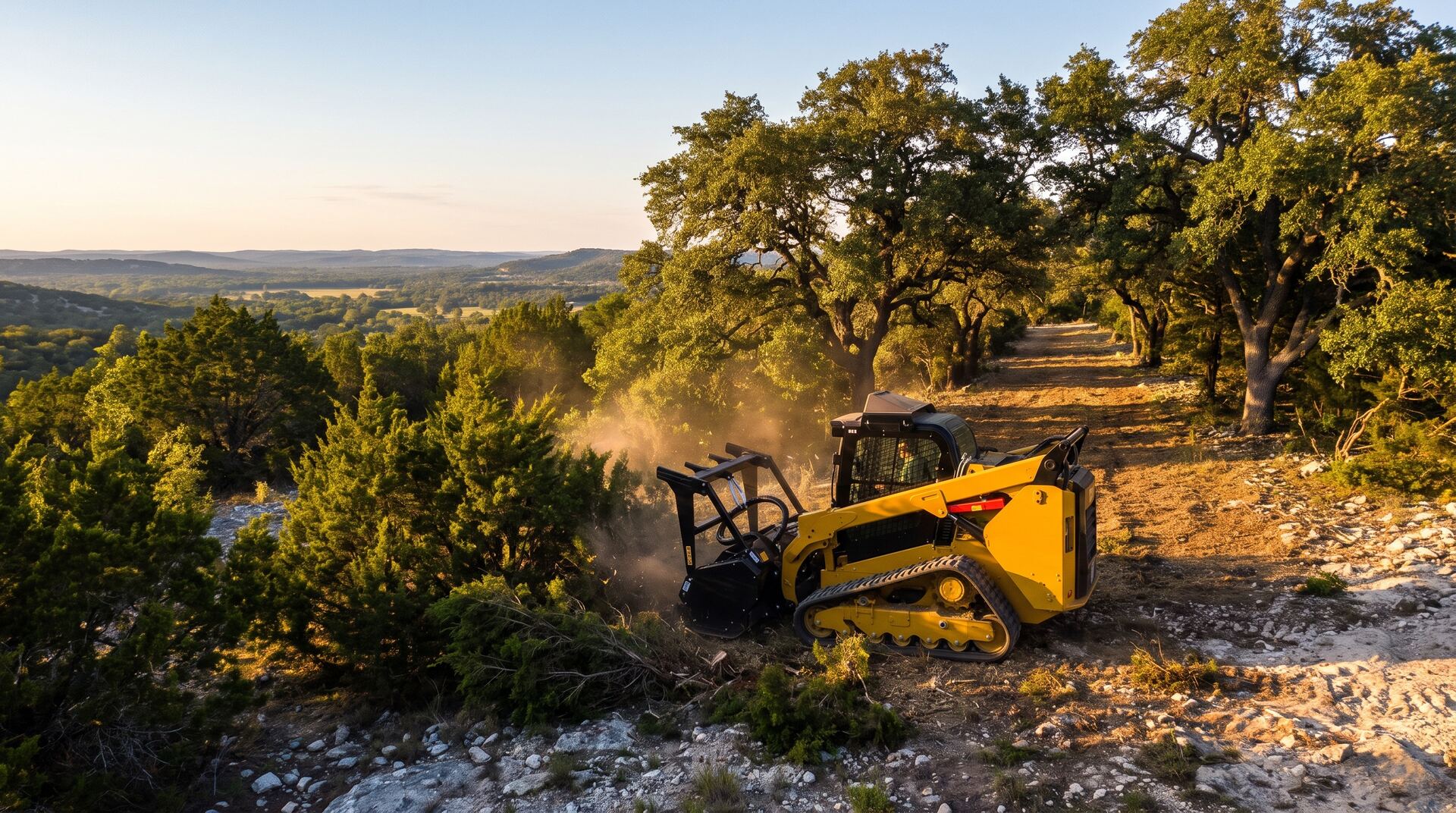
Cedar, brush and fuel breaks cleared by tracked mulchers, with the mulch left in place.
Clear Ground runs tracked forestry mulchers out of Austin and adds machines to fit the acreage. We clear cedar, brush, fuel breaks, rights-of-way and fence lines for the people who own, manage and fund Texas land. The mulch stays on site. Nothing gets burned or hauled. Pick the page written for how you buy.
Eight kinds of buyer need this work, and each buys it differently, so each has its own page.
Austin, Texas · Central Texas · Same-business-day reply
Who you are and where the work is. We reply the same business day.
Find the page written for the way you buy.
A district board votes. A rancher signs. A grant holder follows the grant. Each buyer purchases this work differently, so each page covers how that buyer purchases, the calendar, the paperwork we send and the questions we hear most. If none fits, call and we will point you to one.
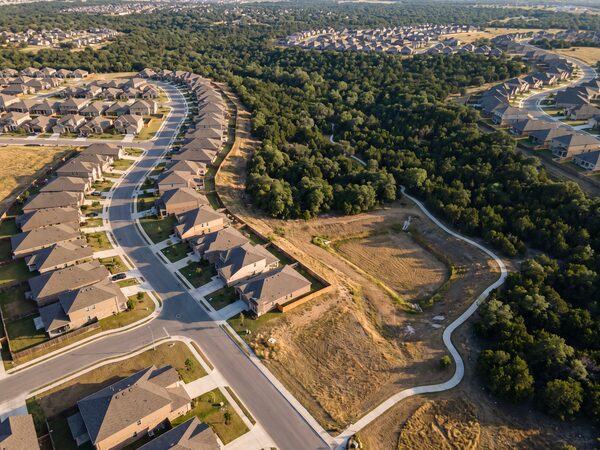
MUDs and utility districts
Greenbelts and shaded fuel breaks on a schedule. Proposals a board can vote on.
Read the page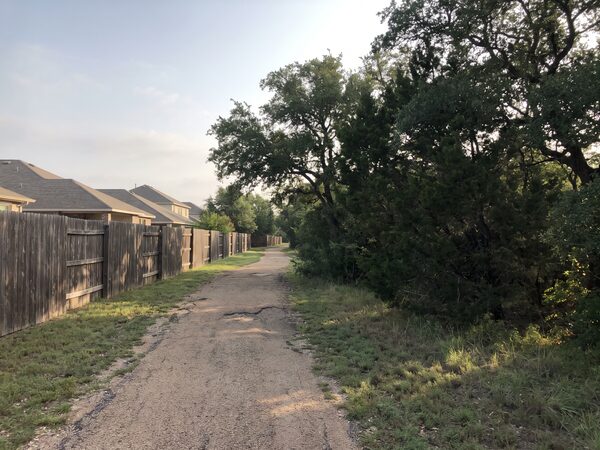
HOAs and Firewise committees
Greenbelt fuel cleared with no hauling or burning, a manager-ready certificate of insurance and a plan your board can approve.
Read the page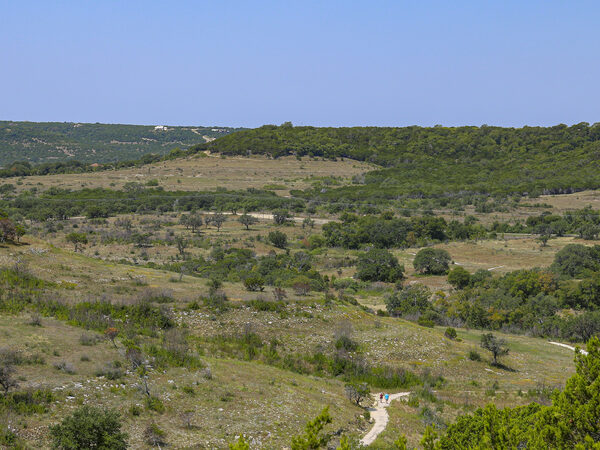
Public land managers
Shaded fuel breaks for cities, counties, parks and preserves. Built to your spec and bid paperwork.
Read the page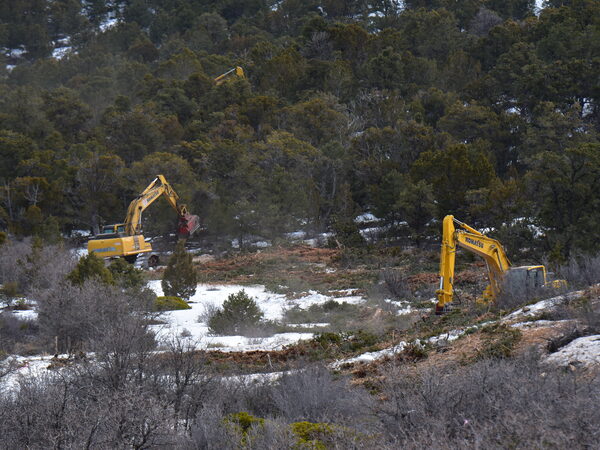
Contractors short a machine
Tracked mulchers and operators under your contract, by the day or the job, when work stacks up faster than your fleet.
Read the page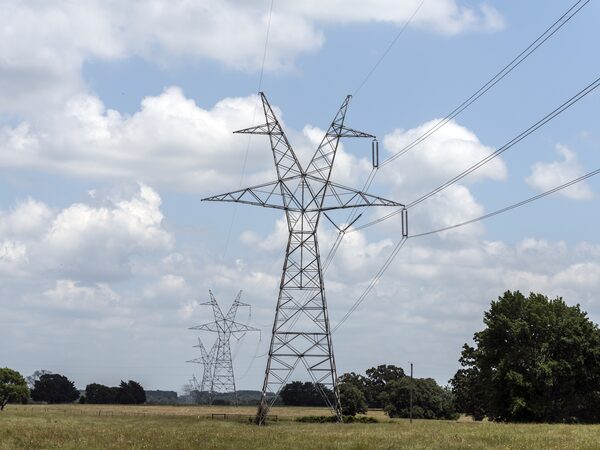
Utilities and co-ops
Where a line is too thick to mow, we mulch it and the mulch stays on the row. Wildfire-plan clearing too.
Read the page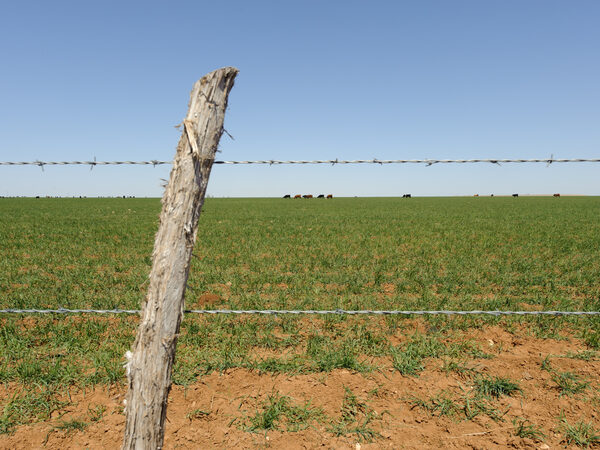
Ranchers and landowners
Fence lines and ranch firebreaks cleared to the width you set, with the mulch left in place and your keeper trees standing.
Read the page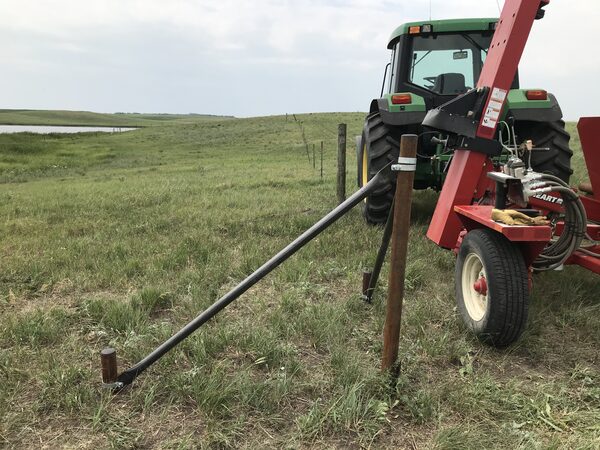
Fence builders
You build the fence. We clear the line ahead of your crew with tracked mulchers, and the chips stay on the ground.
Read the page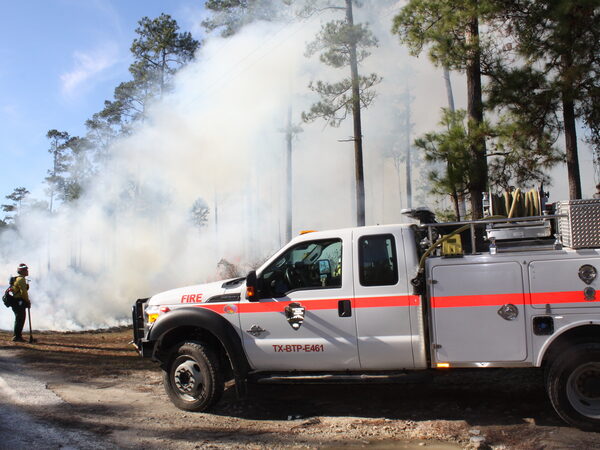
Fire departments, grant holders
ESDs, fire coalitions and wildfire grant holders. Extra mulching capacity for grant-funded fuel work, done to the grant's standard.
Read the pageTracked mulchers do the cutting, and the ground stays covered.
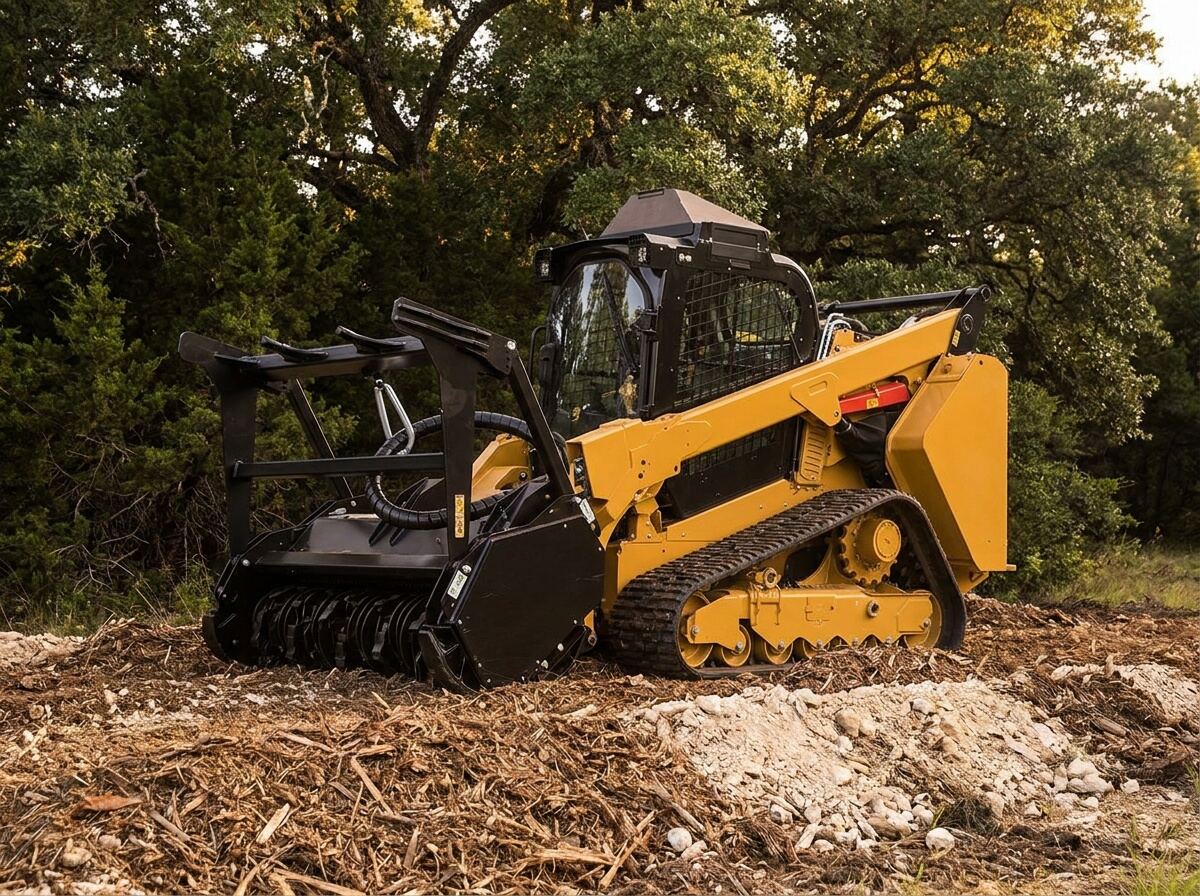
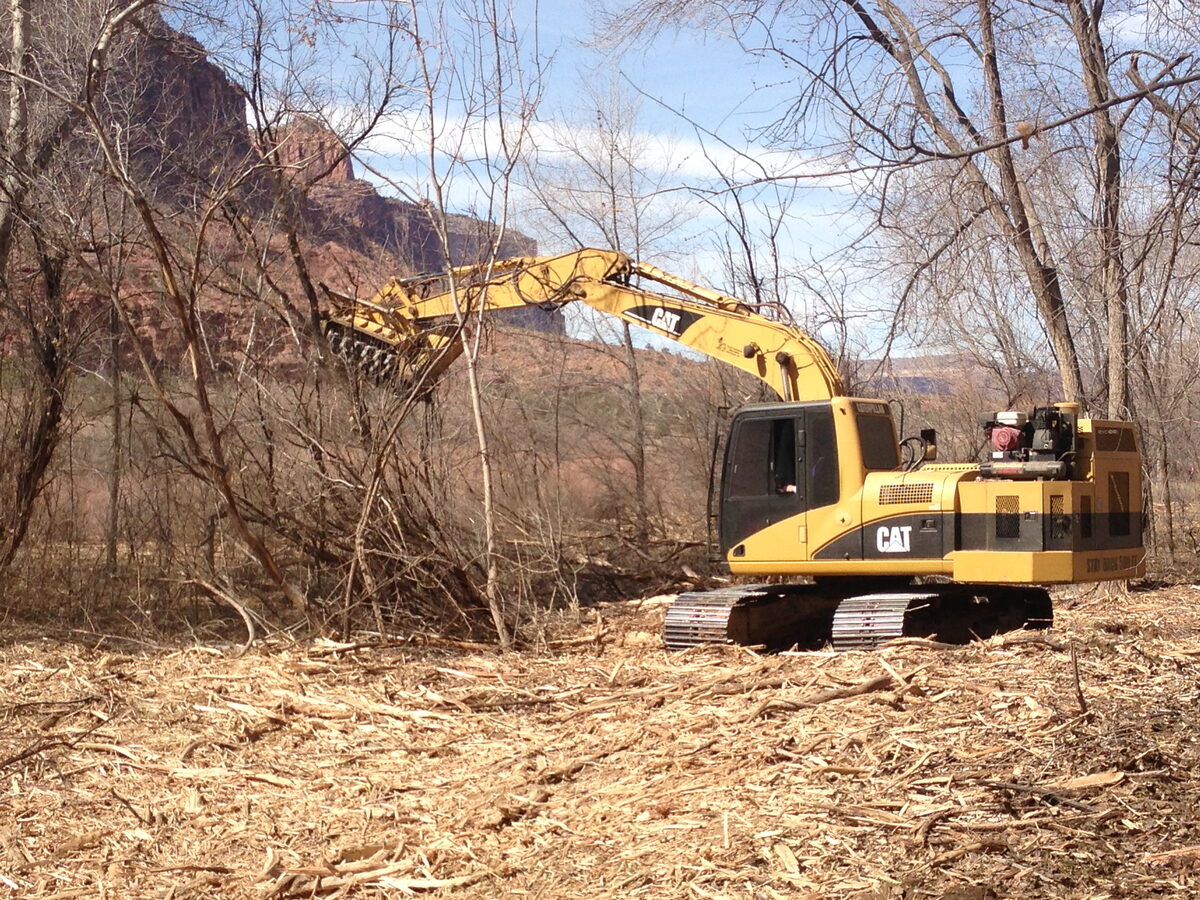
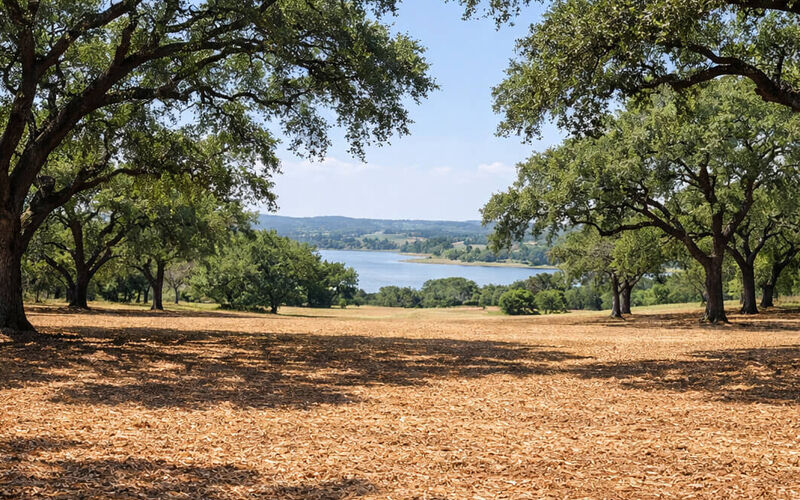
The work is forestry mulching. A tracked carrier with a mulching drum grinds cedar and brush where it stands. The chips fall back on the ground. No pile to burn. No load to haul.
Tracked mulchers are good at dense cedar, mesquite and brush on fuel breaks, fence lines and rows that have grown over. They are not mowers, and tractors beat them on grass. They can't trim limbs above the cab or work steep ditch banks, and rock slows them down. We say so on the site walk, before the quote.
We size the spread to the acreage. We self-perform with our own fleet and scale with partner and rental fleets to fit the acreage and schedule. Tracked mulchers work tight greenbelts and fence lines, and larger dedicated forestry mulchers take the big tracts.
Trees too big for a mulching head get called out on the walk. We stay off the trees you mark, and we keep clear of oaks in the oak wilt months.
Every job runs the same five steps.
1. You call or write.
Tell us who you are, where the land is and how you buy. We answer the same business day.
2. We walk it.
We walk the area with you. You flag the trees to keep. We look for rock, culverts, gates and anything a mulcher can't do.
3. You get a written quote.
The quote lands within 48 hours of the walk. It names the area, the width and the trees to keep. Program and board paperwork starts from it.
4. We mulch it.
Most jobs start one to three weeks after approval. Our tracked mulchers work the area and the chips stay on the ground.
5. We close it out.
You get dated photos of the treated area. Your certificate of insurance and additional-insured paperwork are in your hands before the first cut.
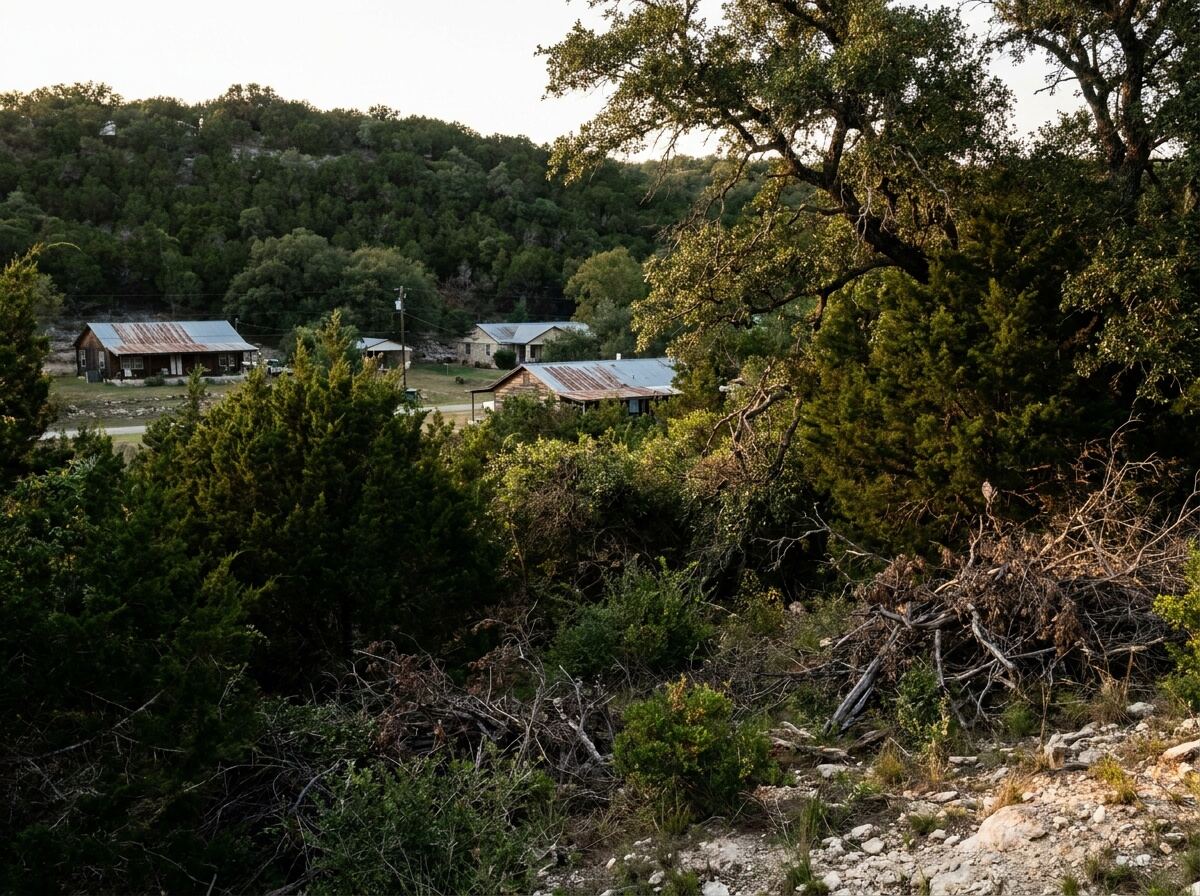
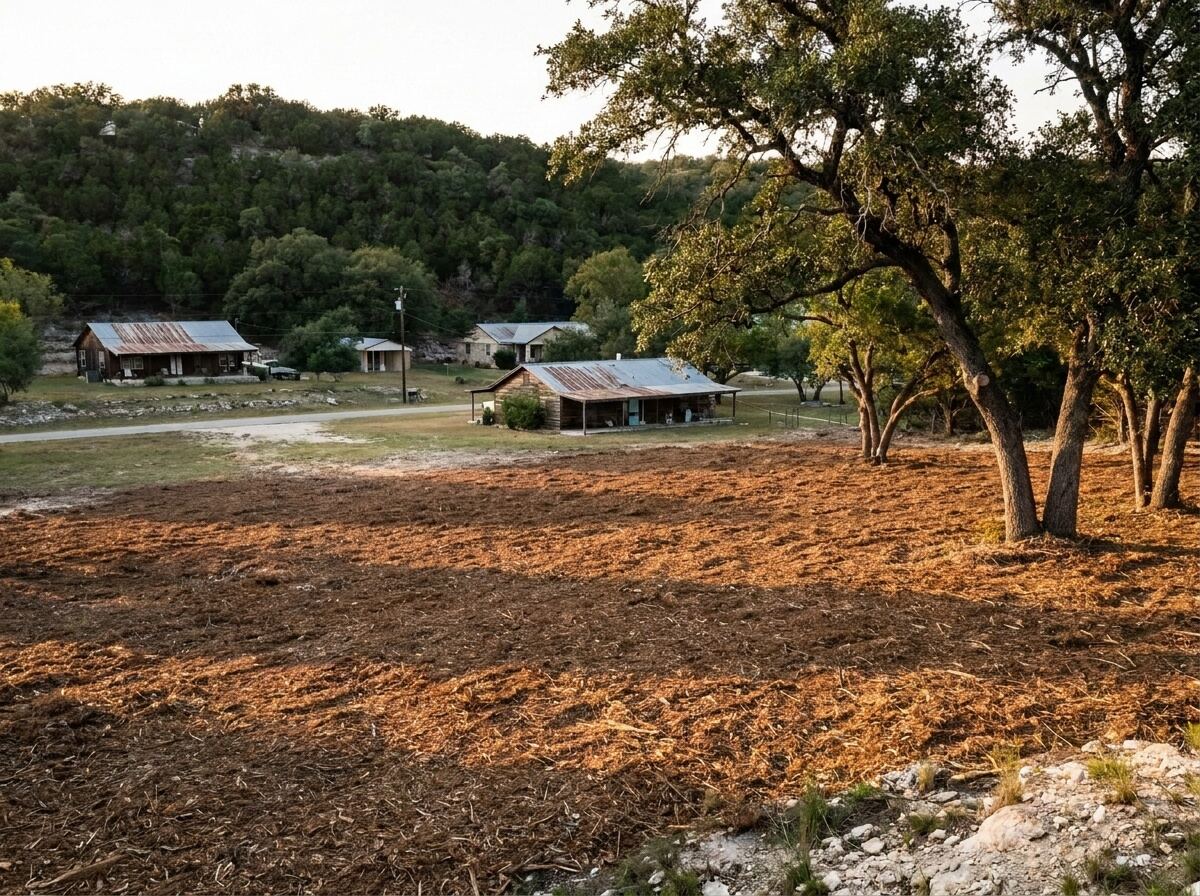
This page covers cedar, brush, fuel breaks, rights-of-way and fence lines.
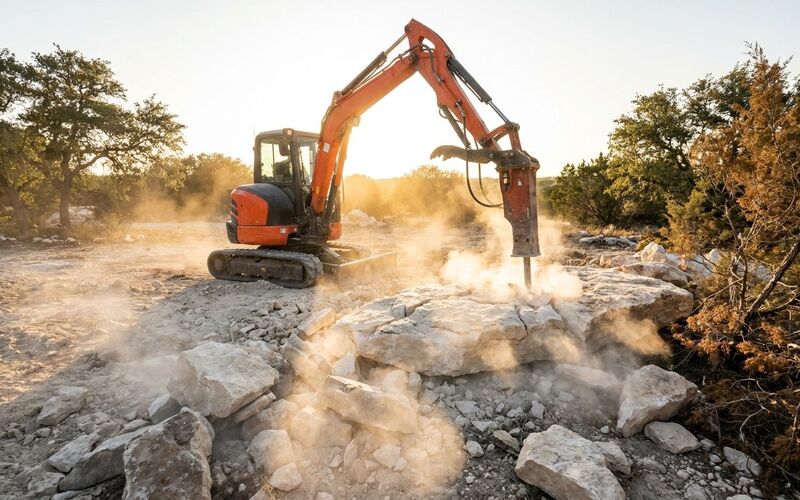
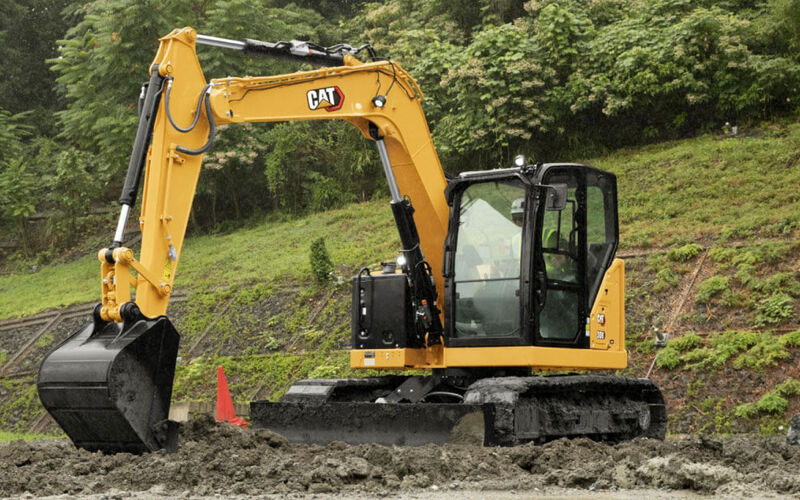
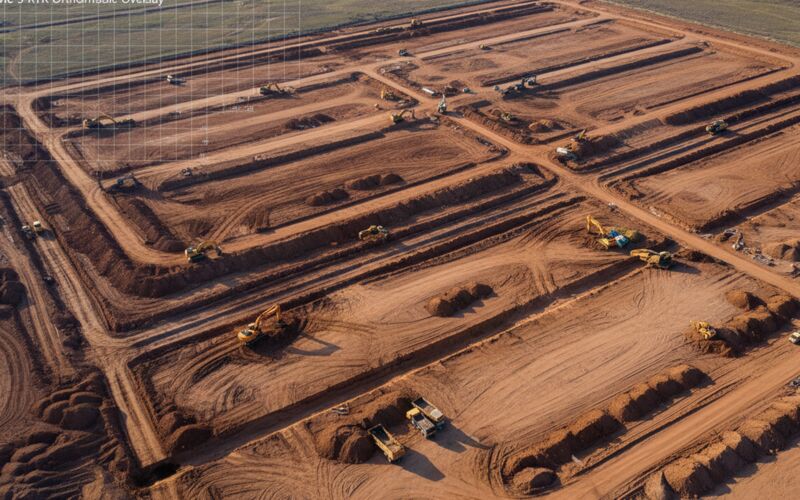
Clear Ground does more than mulch. If you are hiring us for something else, start with the page for that work. Demolition, excavation, data center site prep, pool removal, utility work and public infrastructure each have their own page, their own process and their own paperwork.

Which page should I read?
Pick the one that matches how you buy the work. A board, a ranch owner, a grant administrator and a fence contractor each get a different page. If you fit two, read both. If you fit none, call us.
Do you haul or burn the brush?
No. The mulch stays on the ground. We don't build burn piles and we don't haul brush off your site. Burning is also the first thing a county burn ban shuts down.
What does it cost?
We quote after a site walk, in writing, within 48 hours. Acreage, tree size, density, rock and access set the number, so we don't give prices by phone for land we haven't seen.
What can't a tracked mulcher do?
It doesn't mow grass, trim limbs above the cab, work steep ditch banks or spray. Rock slows it. We stay away from energized lines, and we mulch no tree that can reach one until the utility clears it.
When is the best time to clear?
September through February. Texas A&M Forest Service advises against wounding oaks from February through June. Our rule is no mulcher contact with oaks from February 1 to June 30. Golden-cheeked warbler and black-capped vireo nesting runs March 1 to August 31. We plan around both seasons.
Can a grant or program pay for the work?
Sometimes. Programs set their own rules, and the program decides what is eligible, not us. Read the rules, and check with the program office before any cutting starts. Our grant page explains one program in detail.
Do you carry insurance?
Yes. $2 million per occurrence and $5 million aggregate general liability, and $1 million commercial auto. We send a certificate of insurance and name you additional insured before work starts.
Photo credits
- Balcones Canyonlands NWR: Toniklemm, CC BY-SA 4.0
- Forest Service fuels project: Intermountain Forest Service, USDA Region 4 Photography, Public domain
- Transmission line, Texas: Carol M. Highsmith, Public domain
- Ranch fence, Texas: USDA NRCS Texas, Public domain
- Fence post driver: USFWS Mountain Prairie, Public domain
- Big Thicket prescribed burn: NPS Photo, Public domain
- Excavator mulcher: USFWS Mountain Prairie, Public domain
Images marked illustration are computer generated.
Tell us who you are
and where the land is.
(512) 880-8888
Call or text 512-880-8888 · Ask for 15 minutes or a site walk