


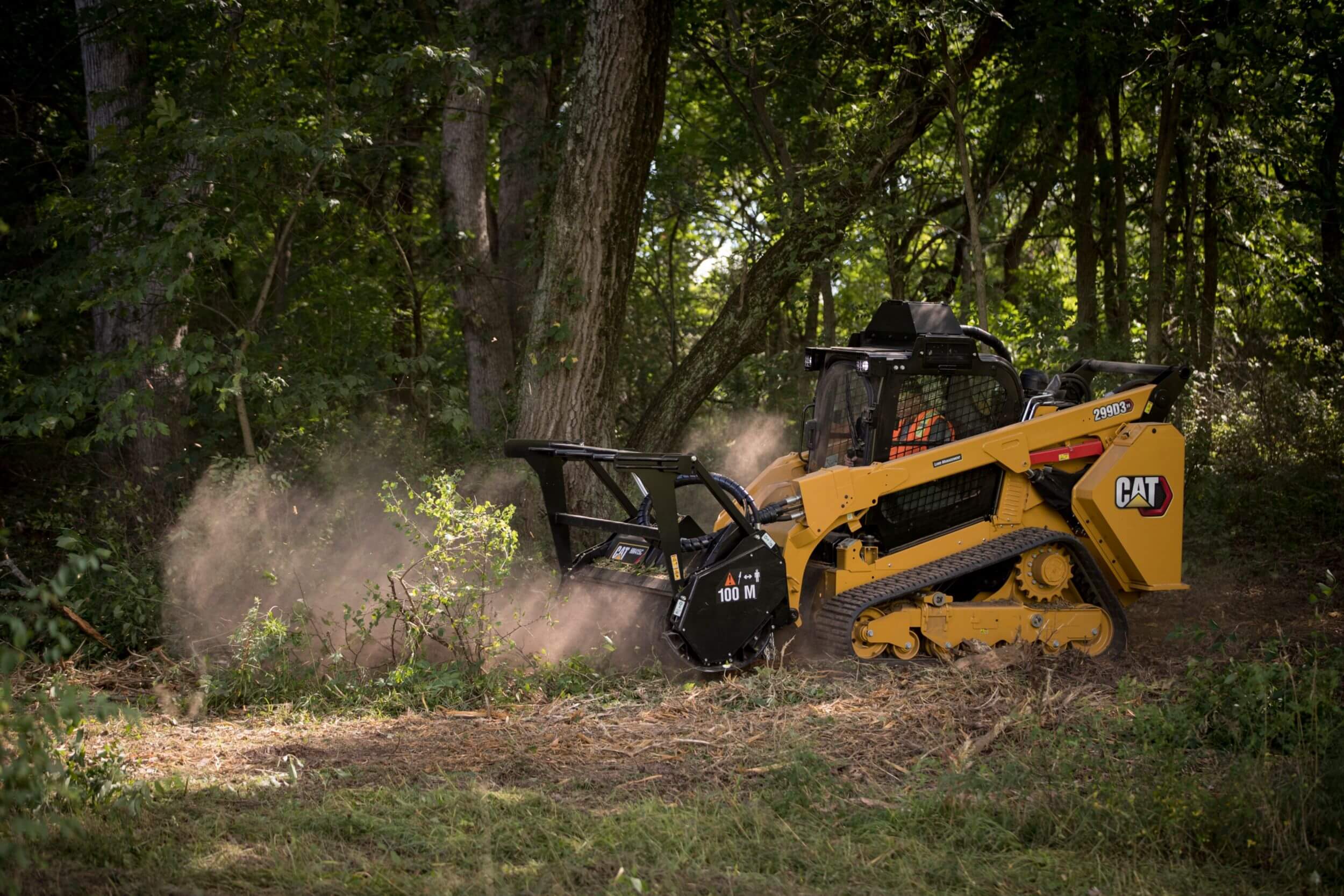
Texas Fuel Reduction Grant: Up to $2,000 an Acre Reimbursed for Clearing Land
The Texas A&M Forest Service Mechanical Fuel Reduction Grant reimbursed eligible Central Texas landowners up to $2,000 per acre for mulching hazardous brush, capped at $20,000 per landowner. The 2026 application window closed July 14, 2026. If you were awarded, treatment runs through April 30, 2027. If you missed it, join our 2027 waitlist.
How Does the Fuel Reduction Grant Work?
It is a reimbursement, not a check in the mail and not a loan. Landowners apply and map their property online. If an application is awarded, the landowner hires an independent contractor, pays for the work, and the Forest Service reimburses up to the per-acre rate. The heavy-equipment tier is forestry mulching, our core service and the highest reimbursement rate. Last updated: September 2026.
You Were Awarded. What Happens Next?
If your 2026 application was awarded, the clock is now the work schedule. Two dates matter.
Need a contractor? A treatment job is typically a few working days once we are staged, and the schedule gets tight as April approaches. Contact us and we will scope your awarded treatment area. Nothing is due to sign a proposal; a 50% deposit comes only if you go ahead, and 50% on completion.
How Do You Check If Your Property Is Eligible?
Before you talk to anyone, including us, you can verify the two things that decide eligibility and one that decides how competitive you'll be. These are the Forest Service's own public tools. Open each, type in your address, and you'll know where you stand.
Is Your Address in an Eligible Area?
The Forest Service's official eligibility map. Search your address. If your parcel sits inside a funded polygon, you're in the program area. Essential for the four partial counties (Bastrop, Bell, Travis, Williamson), where only part of the county is covered.
Open the eligibility mapWhat's Your Wildfire-Risk Score?
The Texas Wildfire Risk Explorer (TxWRAP). It returns a burn-probability score from 1 to 10 for your exact location. Burn probability is one of six scoring factors.
Check your risk scorePlan Your Treatment Areas
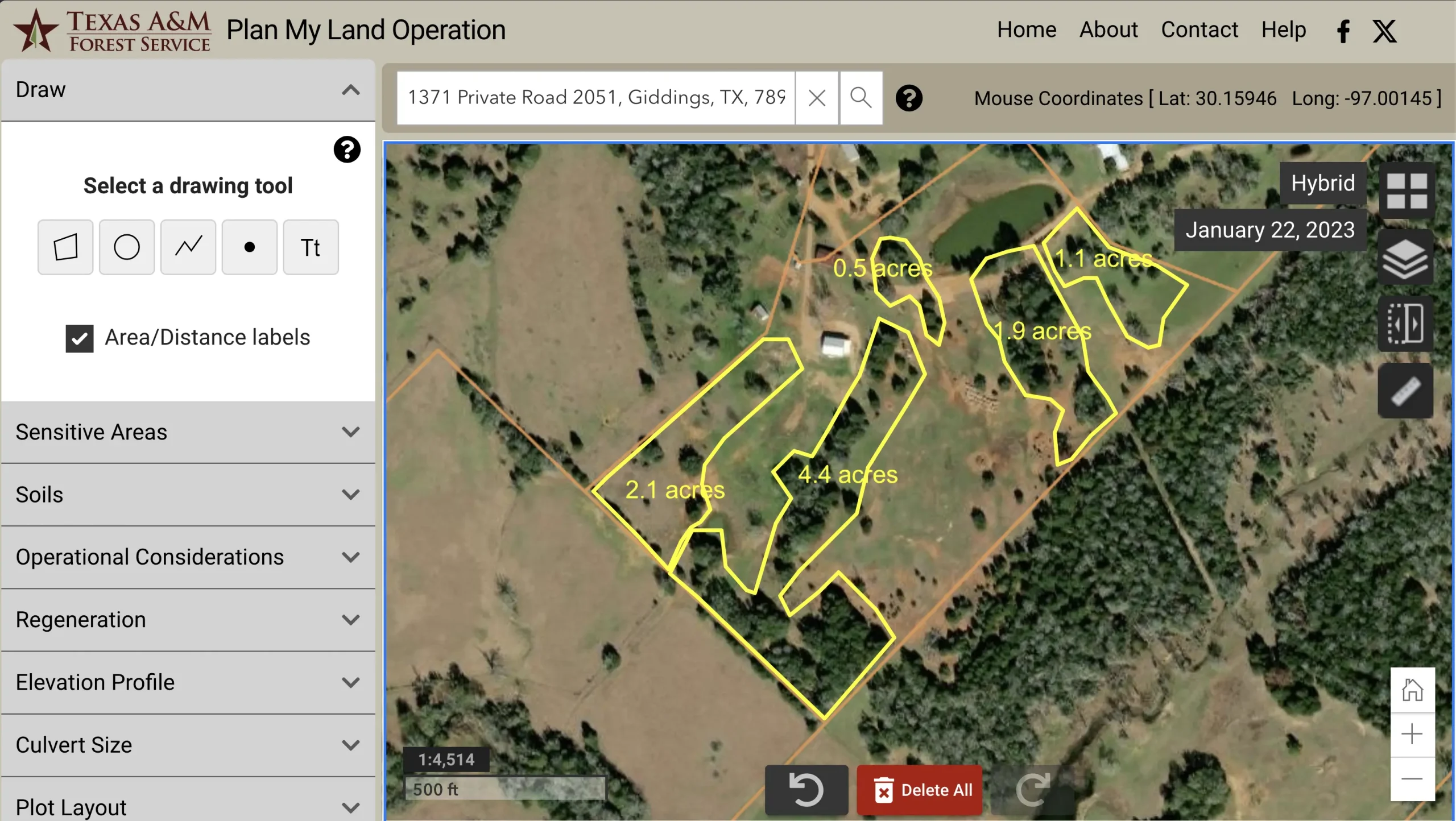
The Forest Service's "Plan My Land Operation" tool. Draw the areas you'd treat right on an aerial of your property and it tallies the acreage for each. The application needs the same kind of treatment map. We build the final map for you, but you can sketch it here first.
Open Plan My OperationTwo gates, a score, and a plan. Checks 01 and 02 are the facts your application is judged on: eligible location, and how exposed it is. Check 03 lets you rough out the treatment areas. If reading government maps and preparing the form is not how you want to spend your week, we can do it with you: join the 2027 waitlist and we will run all three checks for your exact parcel when the next window nears.
How Does Clear Ground Help With the Grant?
The online application stops a lot of people. We prepare the package with you: you show us the land, and we build the map and the numbers for your review. You sign off before anything is submitted.
We Map Your Property
We walk your land and lay out every treatment area over an aerial, with acreage tallied. That is the property map the application requires. Our own drone imagery is our record of the work; the Forest Service takes its own official photos at inspection.

We Prepare the Package With You
We prepare the online application and property map with you well ahead of the deadline. If you authorize us in writing, we submit it on your behalf. If you prefer, you submit it yourself.
We Clear It If You Are Awarded
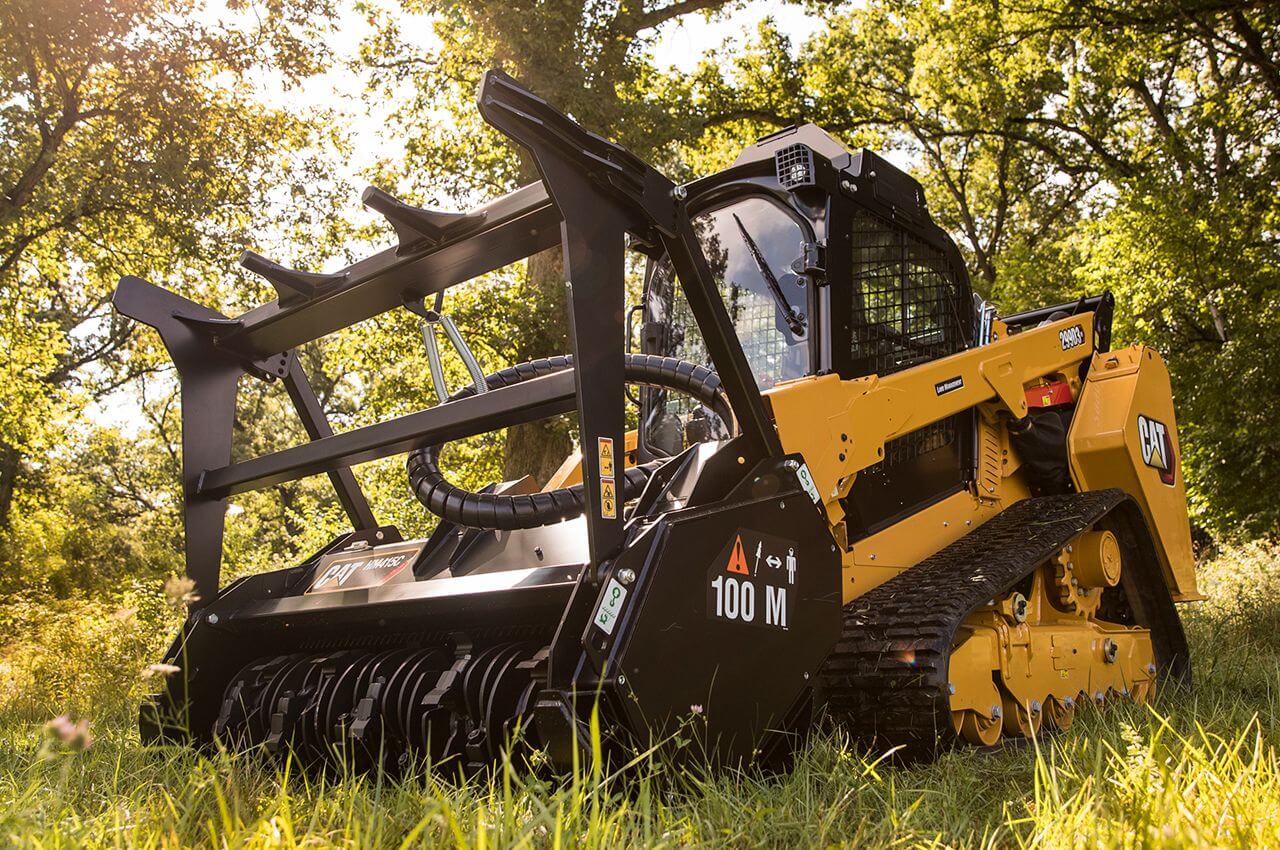
If your application is approved, our tracked forestry mulchers clear the brush in place. No burn piles, no haul-off. The state reimburses you up to the per-acre rate.
What Was the 2026 Grant Timeline?
This is the 2026–2027 calendar from the Forest Service. The pattern is useful if you plan to apply next cycle: apply first, and the work and the money land months later. The 2027 calendar has not been announced.
Application Opened
The online application and property mapping tool went live.
Application ClosedClosed
The online window shut. No late applications.
Applications Reviewed
The Forest Service scored and ranked applications against the six factors below.
Decision Letters Emailed
Applicants learned whether they were awarded.
Signed Acceptance Due
Awardees signed and returned their grant agreement to lock in the funding.
Pre-Inspections
The Forest Service inspects the site. No work can start before this happens. Anything cleared early is not reimbursable.
Treatment Window
The clearing happens here, scheduled with the landowner. For us that is typically a few working days once we are staged.
All Work and Post-Inspection CompleteNo Extensions
Every treatment must be finished and post-inspected by this date.
Reimbursement Requests Due
After the post-inspection clears, awardees submit their reimbursement request. The funding period ends in May 2027.
Which Texas Counties Were Eligible in 2026?
Thirty-nine counties were funded in 2026. Four were only partly covered, so a parcel there has to be confirmed on the Forest Service eligibility map. The 2027 list may differ.
| County | Coverage | County | Coverage | County | Coverage |
|---|---|---|---|---|---|
| Austin | Full | Bastrop | Partial | Bell | Partial |
| Brazos | Full | Brown | Full | Burleson | Full |
| Burnet | Full | Coke | Full | Coleman | Full |
| Colorado | Full | Comal | Full | Concho | Full |
| Ector | Full | Edwards | Full | Fayette | Full |
| Glasscock | Full | Grimes | Full | Hays | Full |
| Irion | Full | Kerr | Full | Kimble | Full |
| Lampasas | Full | Lee | Full | Llano | Full |
| Madison | Full | Mason | Full | McCulloch | Full |
| Menard | Full | Midland | Full | Mills | Full |
| Real | Full | Runnels | Full | San Saba | Full |
| Sterling | Full | Tom Green | Full | Travis | Partial |
| Waller | Full | Washington | Full | Williamson | Partial |
Partial counties: Bastrop, Bell, Travis and Williamson. Source: Texas A&M Forest Service.
What Are the Reimbursement Tiers?
The grant reimburses by how the work is done. Applicants choose one method per application, and the per-acre rate follows that choice. Forestry mulching is the heavy-equipment tier, the top rate in 2026, and what most Hill Country cedar calls for.
Forestry Mulcher / Masticator
Dense, continuous cover on terrain with little to no slope — the classic Hill Country cedar thicket. Mulched in place, no burning, no haul-off. This is our core service.
Equipment + Hand Crews
Mixed conditions — hilltops, slopes, around structures and livestock. Heavy equipment where it fits, hand crews where it doesn't. Bulldozing is allowed for fire breaks only, never to clear-cut.
Chainsaws, Shears & Pole Saws
Steep, high-slope terrain where equipment can't safely work. Trees pruned up, understory cleared by hand. No heavy equipment in this tier.
How Are Grant Applications Scored?
It is competitive. More landowners apply than there is funding for, and the Forest Service scores each application by algorithm. The factors below drive the score. Acreage matters less than treatment type, location and the number of structures protected. We build all six into how we map and write up a project.
Burn Probability
How likely the area is to burn — your 1-to-10 score from the Texas Wildfire Risk Explorer (Check 02 above). It is one of six scoring factors.
Problematic Fuel Types
Heavy cedar, dense brush, and ladder fuels are exactly what the program targets — they score highest.
Homes Protected
Projects shielding more structures — yours plus neighbors' — rank above single-home jobs.
Defensible Space Created
Clearing the 0–100 ft home-ignition zone around a structure is the program's top priority.
Firewise USA® Status
Being part of a recognized Firewise community is a scoring bonus.
CWPP Alignment
Sitting in a county or city with an active Community Wildfire Protection Plan adds points.
What Rules Can Disqualify a Project?
Most reimbursements that fall through fail on one of these. Every one is a hard line, and we build the whole job to stay inside them.
What Does Grant-Funded Clearing Look Like?
Dense Ashe juniper along a Hill Country fence line, mulched in place to a clean finish. Heritage oaks are preserved and limbed up, mulch stays on the soil, and nothing is burned or hauled off. This is the heavy-equipment fuel reduction the grant reimburses.
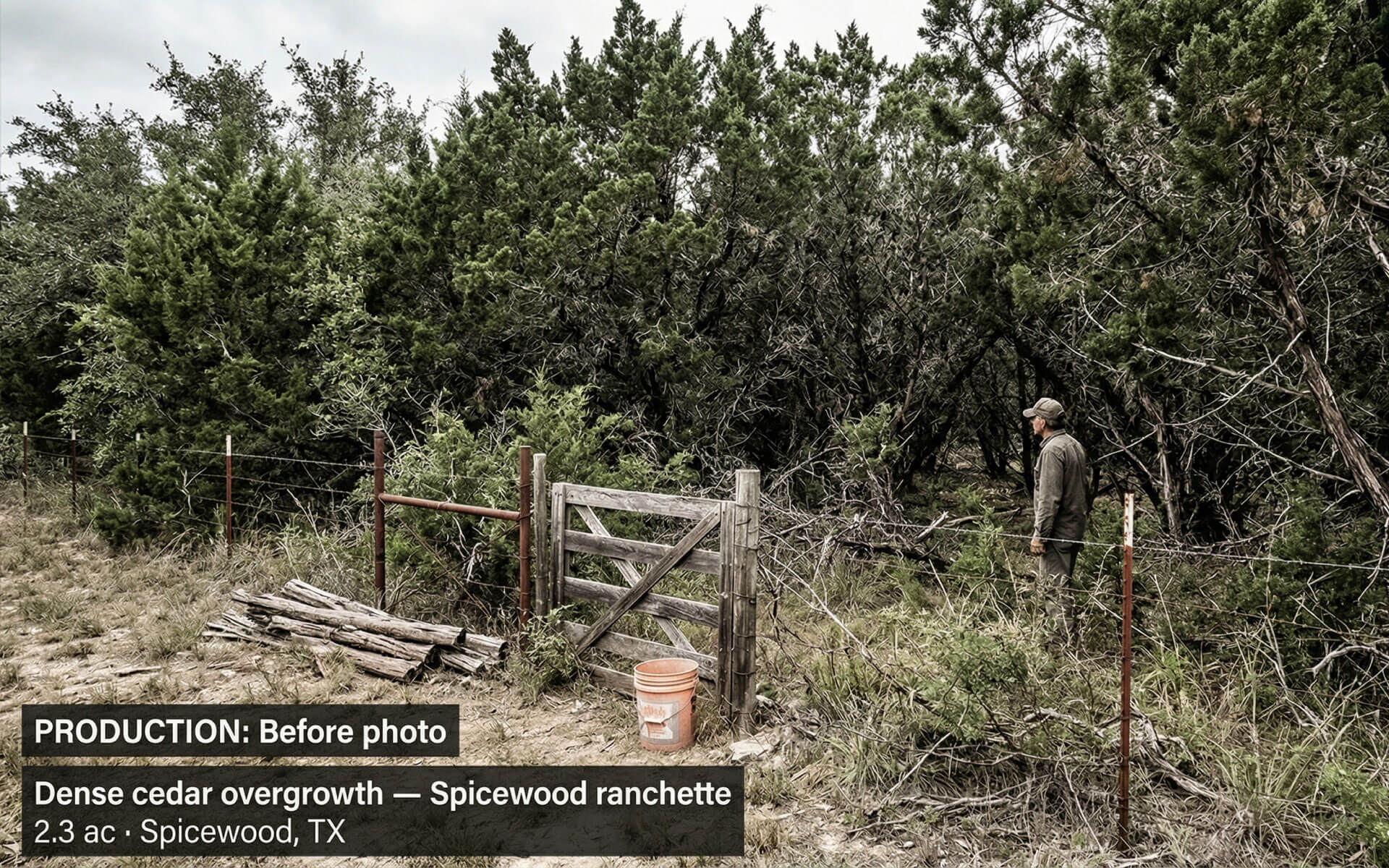
Cedar overgrown to the fence line — fuel load stacked, view and pasture lost.
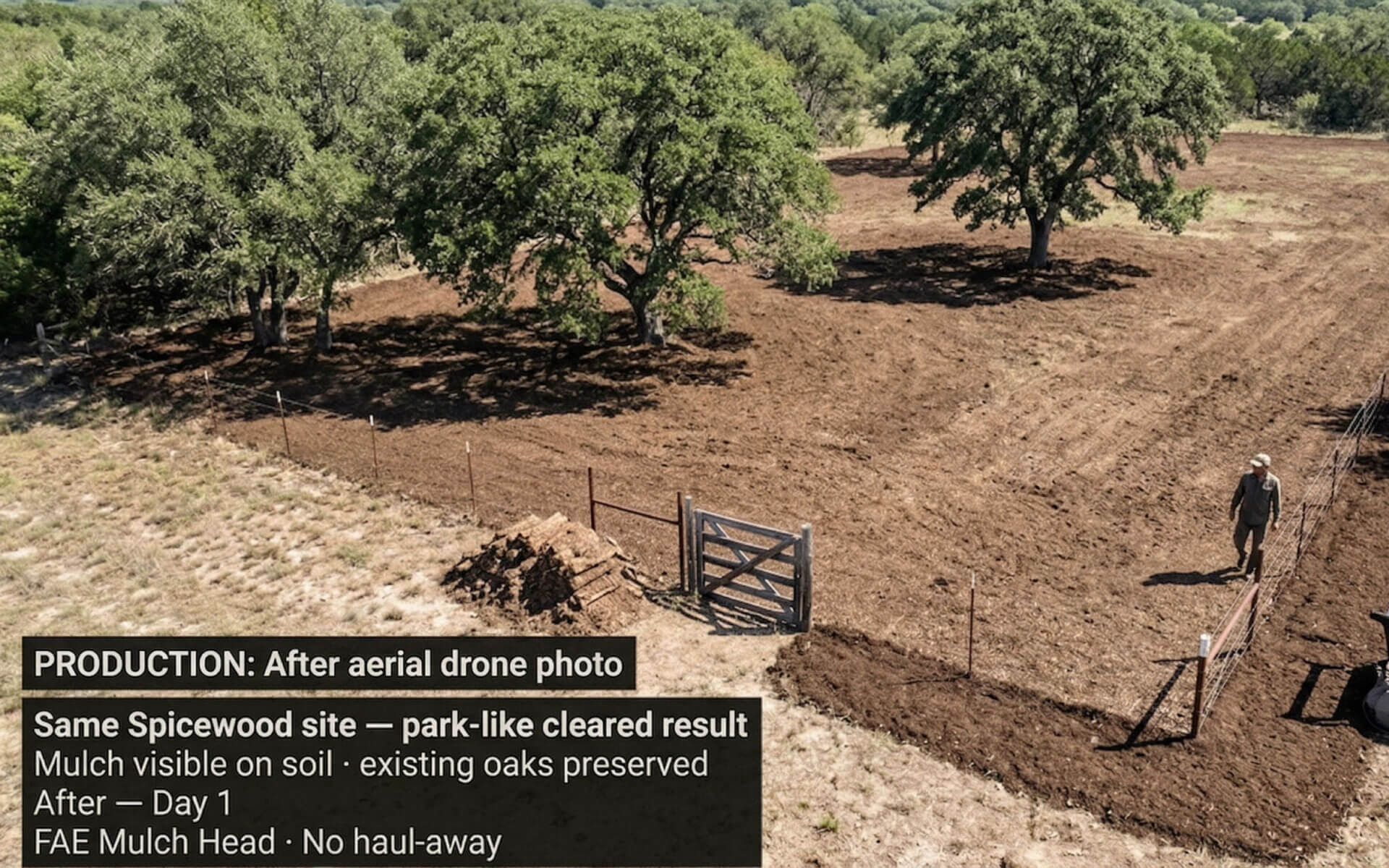
Cleared in place. Oaks kept, mulch on the soil, defensible space opened up.
Illustrative of typical Hill Country cedar fuel reduction. We also keep our own before and after drone imagery of each job.
What Does a Clear Ground Grant Proposal Include?
Before you commit to anyone, see how they quote. A Clear Ground grant proposal is a full document: your property mapped, your eligibility checked against the Forest Service maps, the scope phased out, the bid itemized, and the grant math shown honestly. This is what goes in it.
Your proposal is built from your own site walk: your acreage, your density, your eligibility, your numbers. Join the 2027 waitlist and we will put one in front of you when the next window nears.
Why Use Clear Ground for Grant Work?
The grant pays part of the cost of clearing. We do the clearing and keep our own record of it.
Doing It Alone
- You build the application and map yourself
- You find and vet a contractor
- You track the pre-inspection and deadlines
- You sort out debris handling on your own
With Clear Ground
- We prepare the package with you
- We walk the land and map the treatment area
- In-place mulching with no burning or haul-off
- Our own before and after drone imagery of the work
- Insurance details and payment terms in writing
Grant Questions, Answered
If it is on your mind, it is probably here. If not, call us. We would rather tell you the truth up front than sell you into a bad fit.
What Would Your Property Score?
Clear Ground's estimator checks the eligibility gates from the 2026 program, scores a project against the six published funding factors, and gives a 0–100 competitiveness estimate plus an estimated reimbursement. Use it to plan for 2027.
See how your property might fare in the next grant cycle.
In 2026 this grant reimbursed landowners up to $2,000 per acre to clear hazardous vegetation around homes and structures, up to a $20,000 cap. The 2026 window is closed. Answer a few questions and we'll estimate your eligibility, how competitive your application looks, and your potential reimbursement.
Takes about 2 minutes. It's a competitive, reimbursement-based program — being in an eligible county lets you apply, but funding is scored and awarded by the Forest Service. This tool estimates where you'd land.
The non-negotiables
These are pass/fail. Every box has to be met before the Forest Service will even score your application.
Answer every question to continue.
How your application scores
The Forest Service ranks applications on six factors. These questions mirror them — the more honestly you answer, the more accurate your estimate.
Answer every question to continue.
Estimate your reimbursement
Reimbursement is per acre, capped at $20,000 per landowner. Rough acreage is fine — we confirm it on site.
Enter acreage and pick a clearing type.
Where should we send your eligibility report?
Your full score, reimbursement estimate, and next steps are ready. Enter your details to unlock them — we'll also flag your county's deadline and can help you assemble the application.
Add your name, a valid email, and a phone number.
Score breakdown
Next step
About this estimate. This score is Clear Ground's good-faith estimate of how your application may rank, modeled on the Texas A&M Forest Service's published scoring factors (Firewise status, fuel type, burn probability, homes protected, defensible space, and CWPP alignment). It is not an official score and not a guarantee of approval or funding. The Forest Service makes all final eligibility and award decisions, applications are scored competitively against available funds, and the grant is a cost-share reimbursement that may not cover 100% of project cost.
Join the 2027 Waitlist.
The 2026 window is closed. Tell us about your property and we will contact you before the next window opens, check your eligibility with you, and start the map and treatment plan early. No obligation. If you were awarded in 2026 and need a contractor, say so in the notes.
- We walk your property and map the treatment area
- We check eligibility and risk score against the Forest Service's data
- We prepare the grant package with you, and submit it if you authorize us in writing
- We clear the land if you are awarded. The 2026 rate was up to $2,000 per acre
- Serving the Hill Country: Dripping Springs, Wimberley, Lakeway, Spicewood, Georgetown, Marble Falls & more