


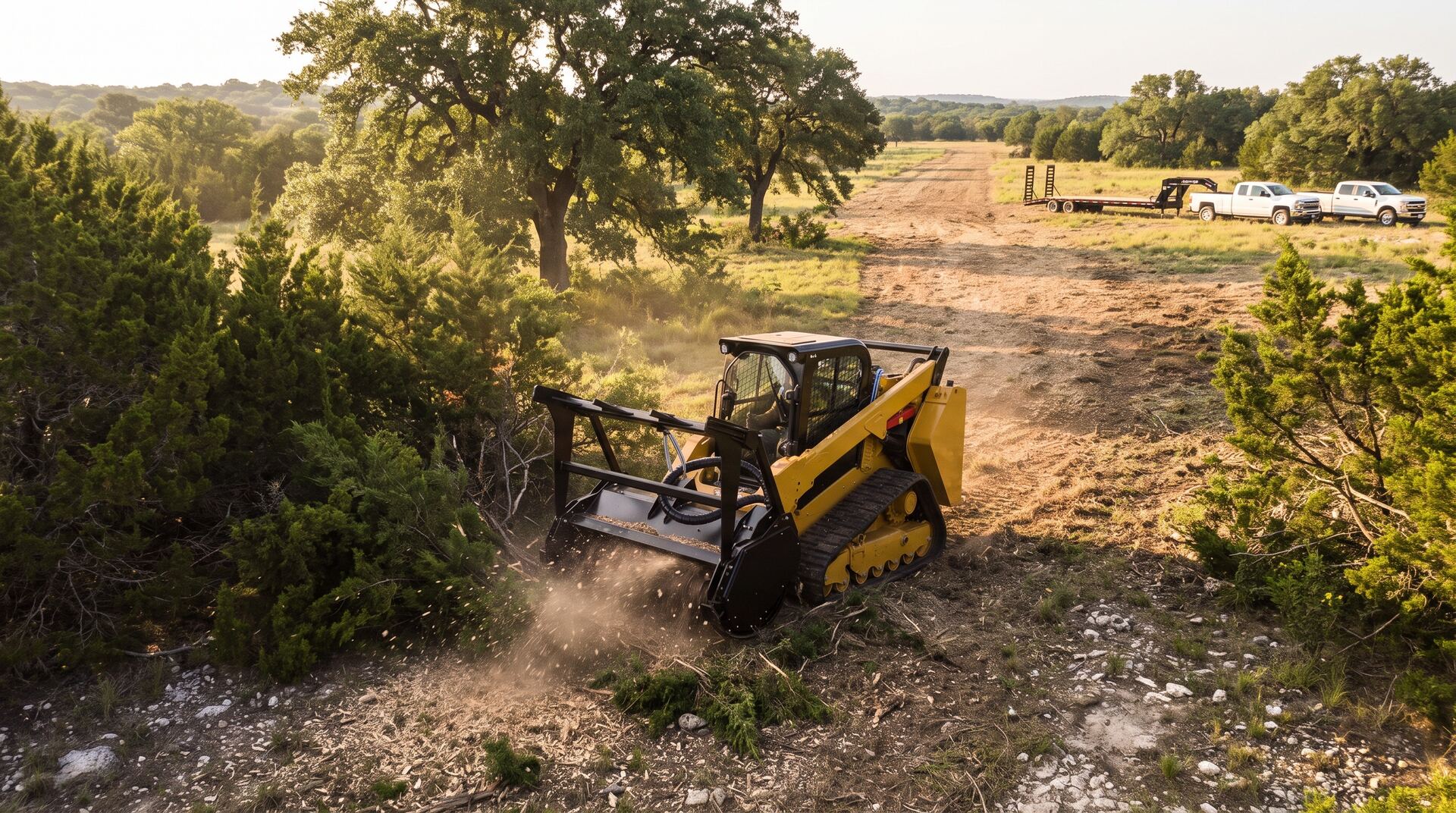
Mulchers and operators under your contract, when the work stacks up.
Clear Ground runs tracked forestry mulchers and operators out of Austin, and scales with partner and rental fleets to fit the acreage and schedule. We run them under your contract, by the day or the job, when work stacks up faster than your fleet. You hold the contract and set the scope. On your jobs, the customer is yours.
Tell us the location, the start window and how long. We tell you yes or no.
Austin, Texas · Central Texas · Same-business-day reply
Location, start window and length of the work. We answer the same business day.
Five ways to cover a machine gap.
You win the work. Then three sites come due in the same month. Here is what each fix does, and where it falls short.
| Option | What it does | Where it wins | Our part |
|---|---|---|---|
| Buy a mulcher | You own the machine. You hire or train the operator. | Steady work for years, with enough days to pay the machine off. | Buying for one award is a bet. If your hours are steady, buy. |
| Dedicated mulching tractors from a bigger sub | Purpose-built carriers with more hydraulic flow and lower ground pressure. | Long open spreads where output decides the job. | Open ground favors them. We fit tight spans, brush sections and overflow. |
| Hand crews with chainsaws and chippers | Crews cut and chip by hand. | Steep ground, tight spots and work close to structures. | Where machines can't go, hand crews win. |
| Bucket trucks and aerial lifts | Line-clearance crews work in the air, near energized conductors. | Any tree that can reach a wire. | Those trees stay with you and the utility. |
| Clear Ground mulchers and operators | Tracked forestry mulchers cut cedar and brush where it stands. The mulch stays. | Overflow, a winter stack, or the brush section of a larger job on flat to rolling ground. | Yes. By the day or the job, under your contract, on your direction. |
If your gap is something else
Mowing grass, trimming limbs above the cab and working steep ditch banks need a mower, a bucket truck or an excavator crew. Tell us on the first call and we will say so.
You add machines and keep the whole job. The customer stays yours.
A sub should be easy to add and easy to release. Here is what comes with ours.
- Machines and operators. Our tracked forestry mulchers, plus larger forestry mulchers from partner and rental fleets when the acreage calls for them. Our operators run them, and you direct the work.
- Cedar and brush, cut where it stands. Mulching heads grind cedar and brush where they stand. Trees too big for them get called out on the walk, before work starts.
- Mulch left in place. No hauling and no burn piles. The ground stays covered, and your owner pays for no haul-off.
- Your customer stays yours. We take direction from your superintendent and bill you. We do not go around you to the owner.
- Insurance before we mobilize. We send a certificate of insurance naming you as additional insured, plus our safety packet, before work starts.
- Photos at closeout. We send the photo set from the job, taken under our photo procedure. You can show your owner what you delivered.
- Terms in writing. After the site walk, we send written terms within 48 hours.
We work out of Austin across Central Texas. For a farther job, call with the location and we tell you what is possible.
From your call to the closeout photos, five steps.
Walk the section
with your super
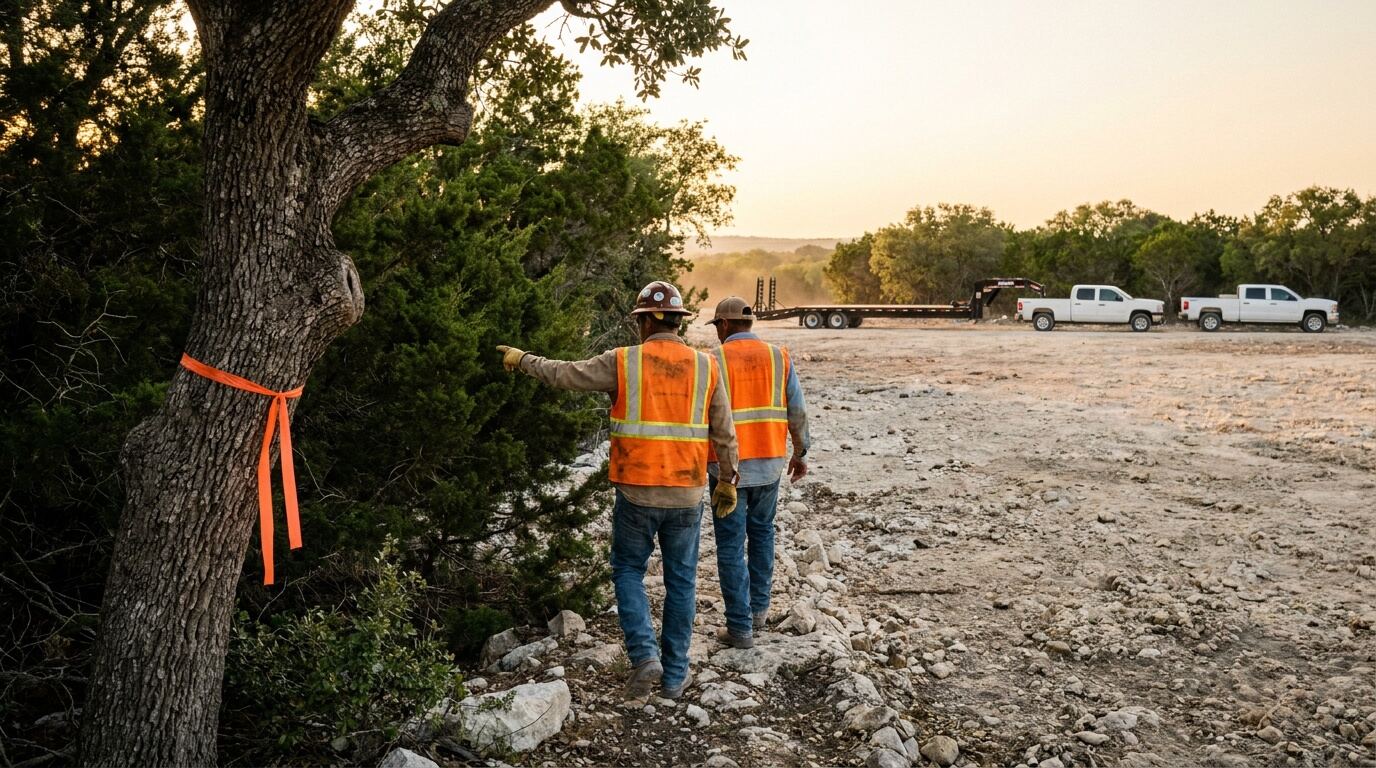
Your superintendent walks the section with us. You point at the line, the width and the trees that stay. We tie flagging tape on every live oak you want kept. We look for rock, culverts and buried markers, because they change a day. We ask where the owner, the utility or an inspector has a rule we need to hear. We write down the start window, the length and who gets our certificate. Then we are done.
Grind the brush
and cedar
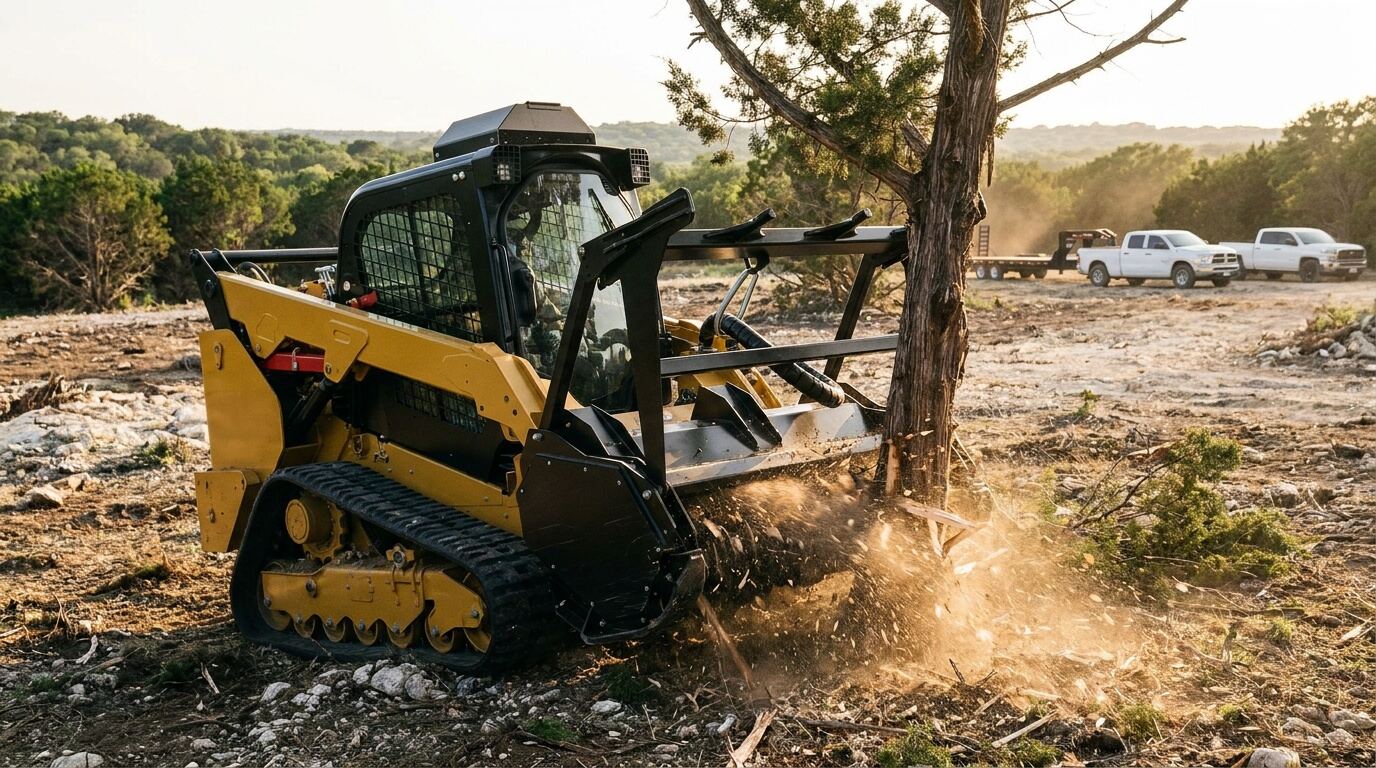
Our operators mulch in the order you set. Everyone else stays well back from a running head. Work stops if anyone walks in. We touch no tree that can reach a line until the utility clears it. Oaks stay untouched in the oak wilt window.
The mulch stays
on the ground
Cut wood becomes a layer of mulch on the soil. Nothing gets hauled and nothing gets burned. The ground stays covered, so rain hits mulch and not bare dirt. The tracks leave marks, and the kept oaks stand clear of the cut. Your owner pays for no trucks and no burn pile. You see the layer at the walk-through, before we move.
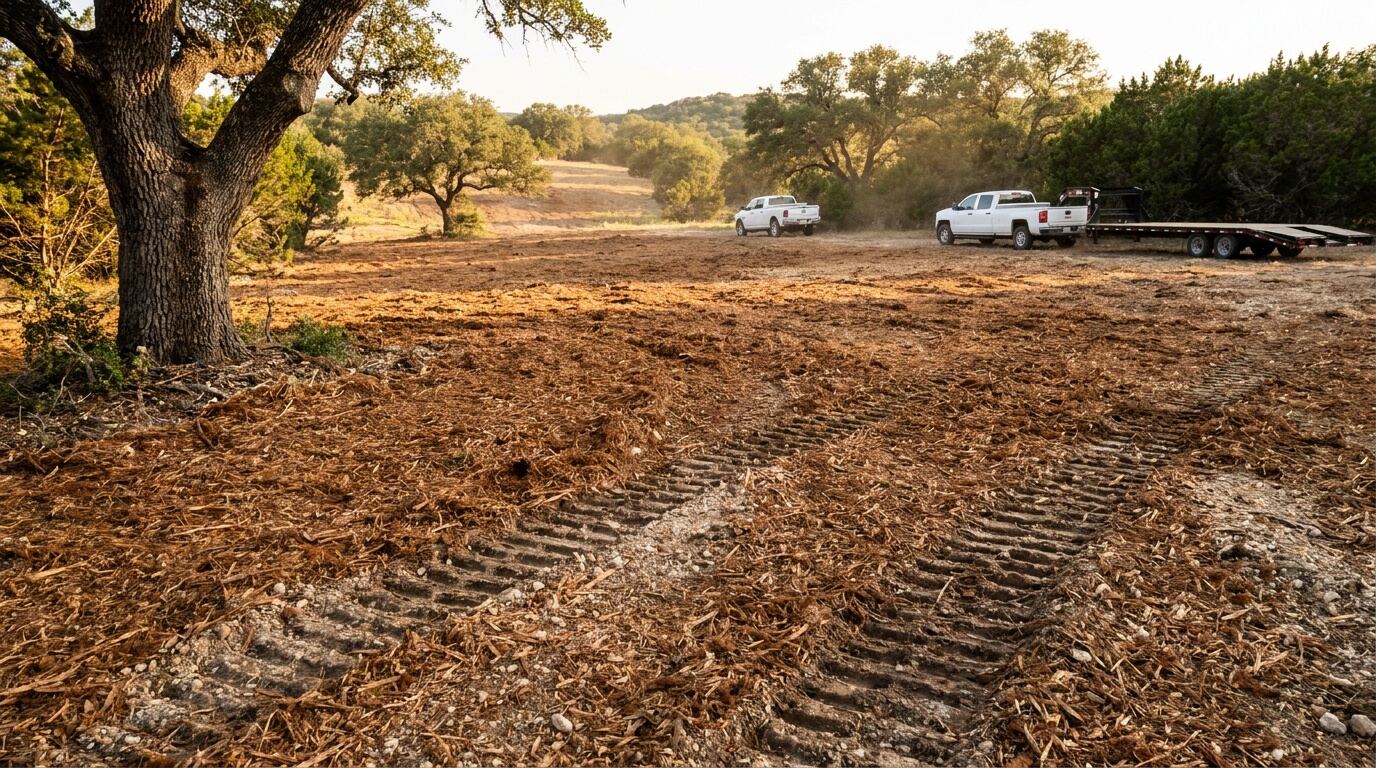
Walk the finished line
with your super
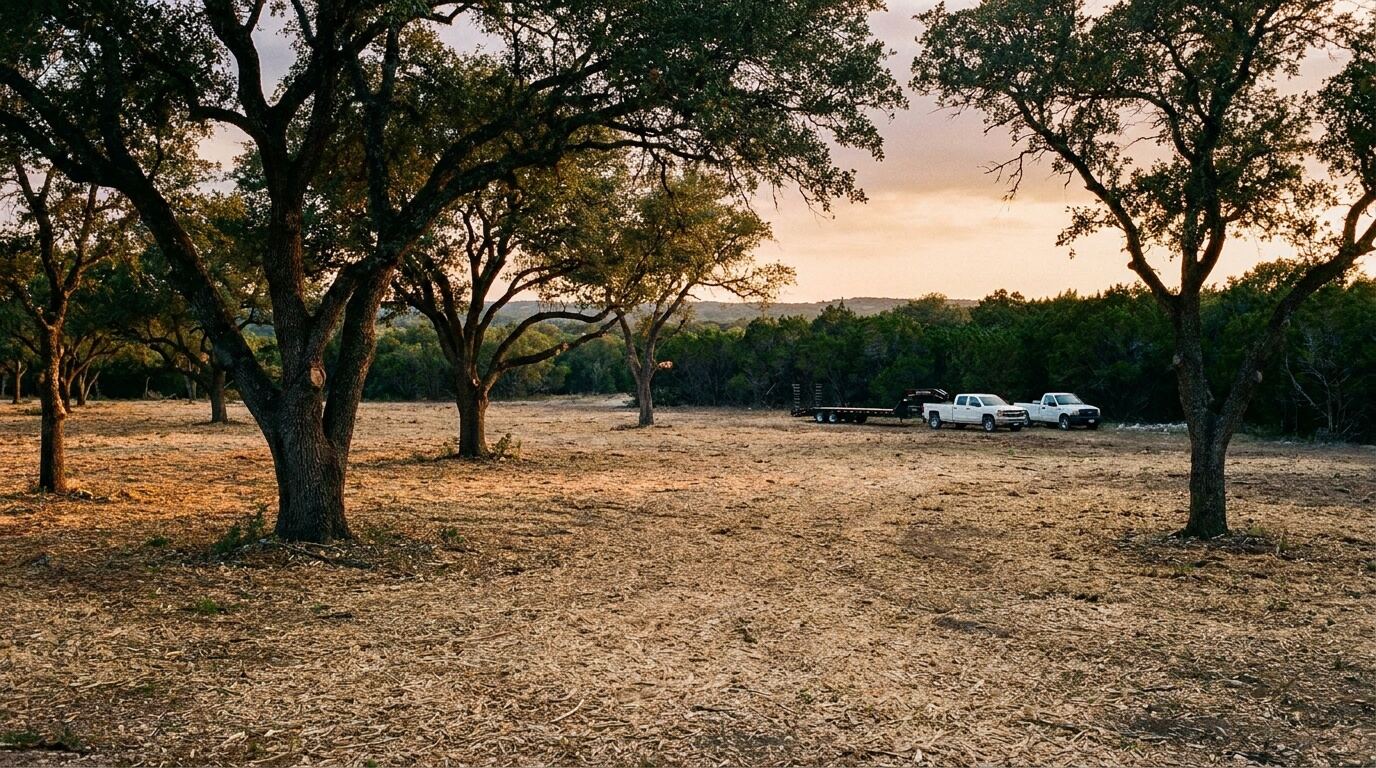
We walk the cleared section with your superintendent. You check the width, the ends and the trees that should stay. If a spot needs another pass, we make it before we demobilize. You see the same ground you flagged on day one, now open, with the keepers standing. Then we move to the next section on your list.
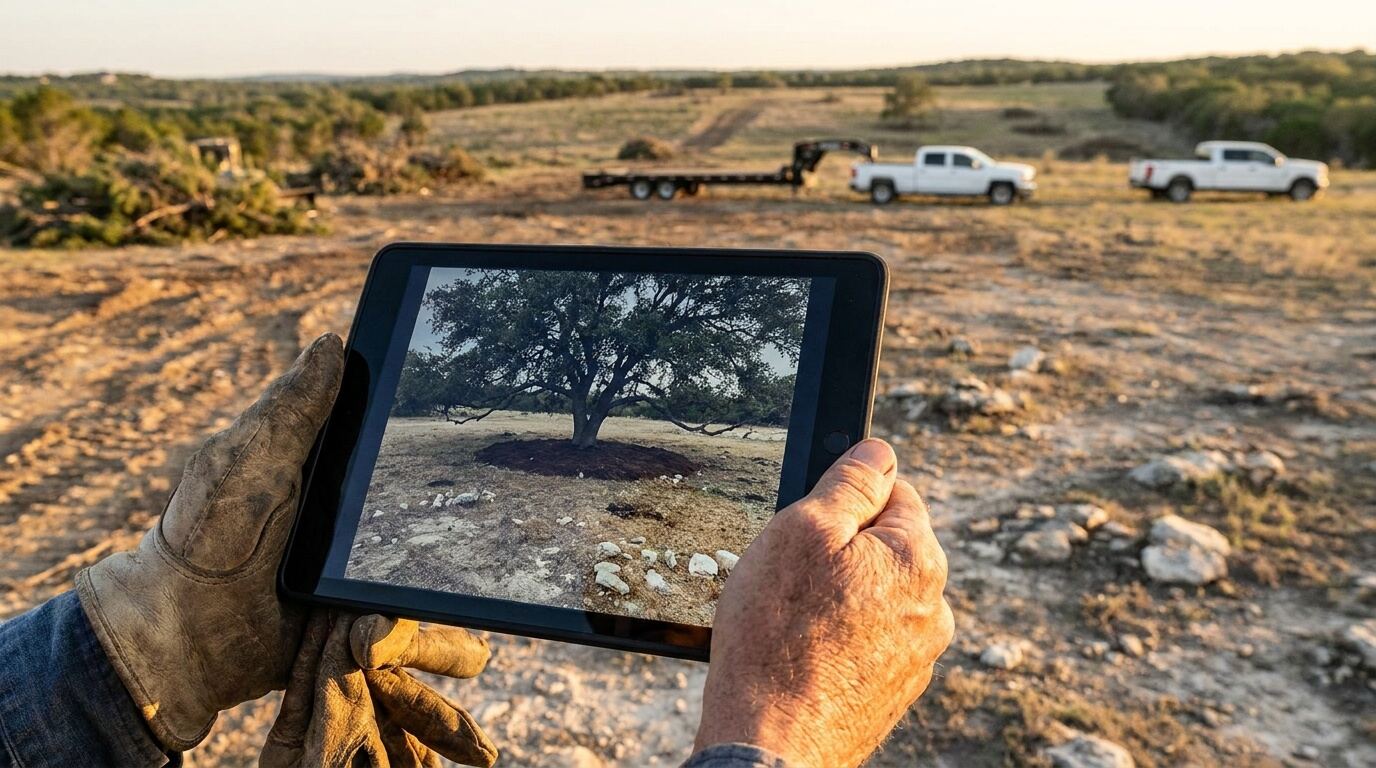
Photos and paperwork
to your inbox
We send the photo set from the job, taken under our photo procedure, with a wide shot of the finished ground. You can open it on a tablet at the walk-through and keep a copy for your owner. Our invoice goes to you, not to the owner. If your contract needs more documents, tell us at the start and we collect them as we go.
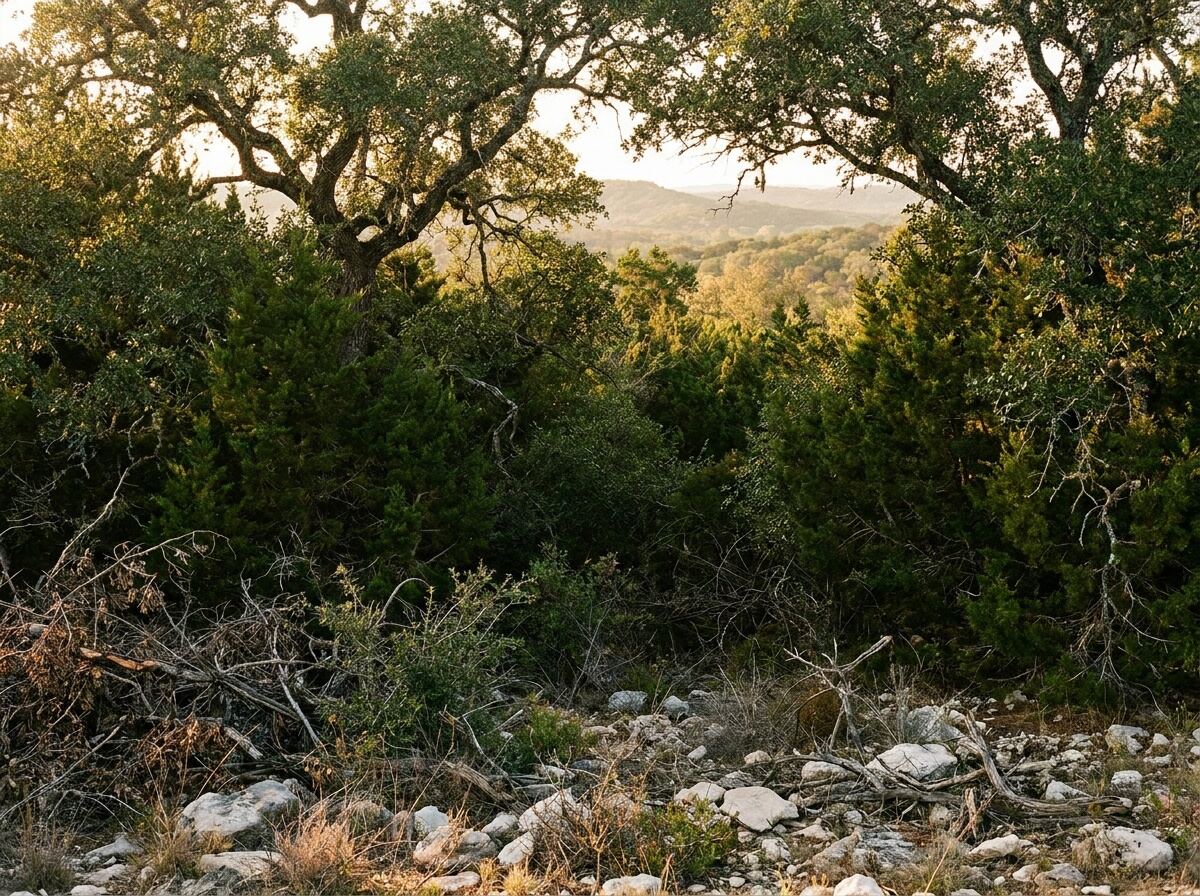
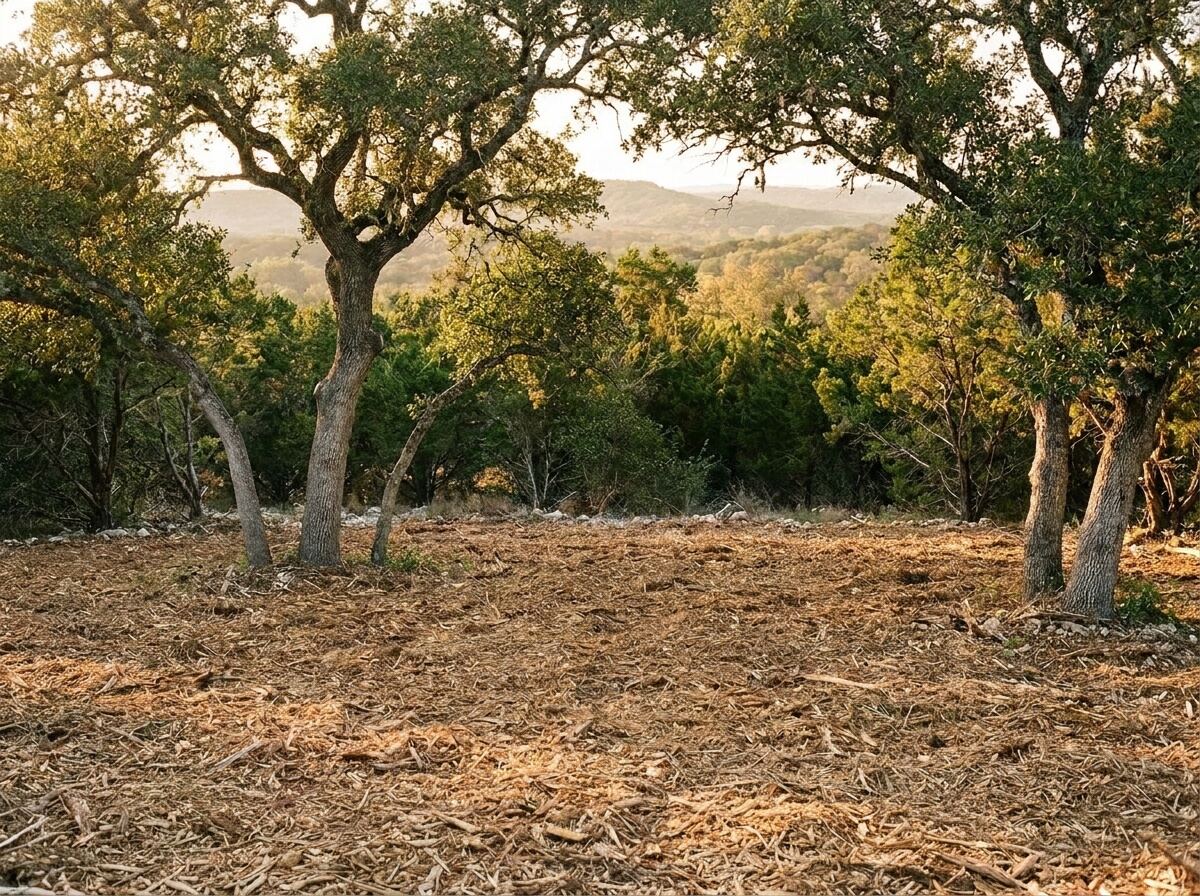
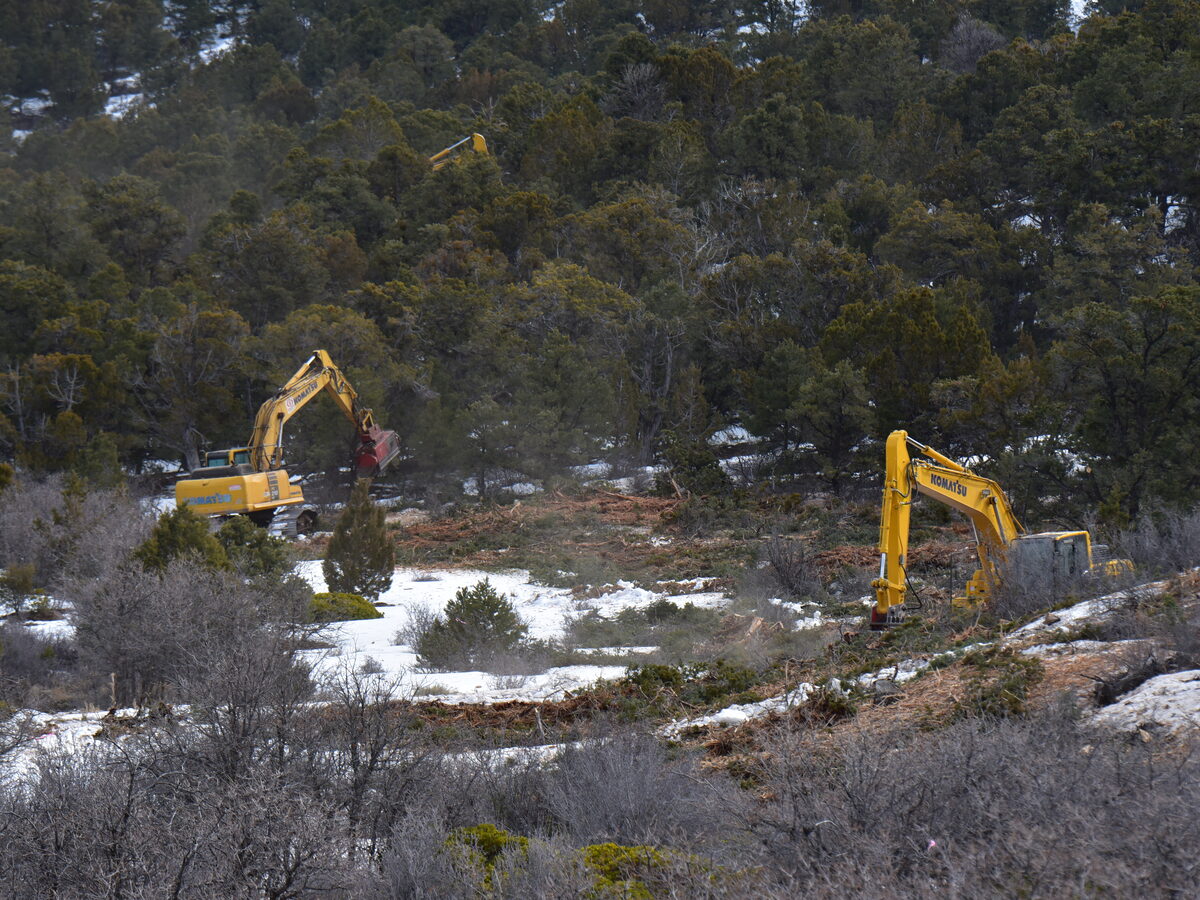
The same section of right-of-way, before and after. Dense cedar comes down to open ground with a layer of mulch.
Each kind of contract holder uses a sub differently. Here is how we help each one.
Work comes in lumps. A sub with mulchers fills the gap. When the gap closes, the sub leaves.
- Fuel-break contract holders. Agencies often buy fuel-break work through task orders. Our mulchers run when your orders do. The mulch stays on site, which most fuel-break scopes want.
- Utility tree contractors. Your crews work in the air, near conductors. We stay on the ground, away from energized lines, and take the brush and cedar a mower cannot handle. Anything tall enough to reach a conductor stays with you and the utility.
- Right-of-way clearing contractors. New lines and pipelines need the row cut before the spread arrives. Old rows grow back into brush and small trees, and owners call those in for reclearing. Cedar and brush sections suit our mulchers.
- Primes with their own fleet. Primes run dedicated mulching tractors. We add machines you can scale up or release as the work moves.
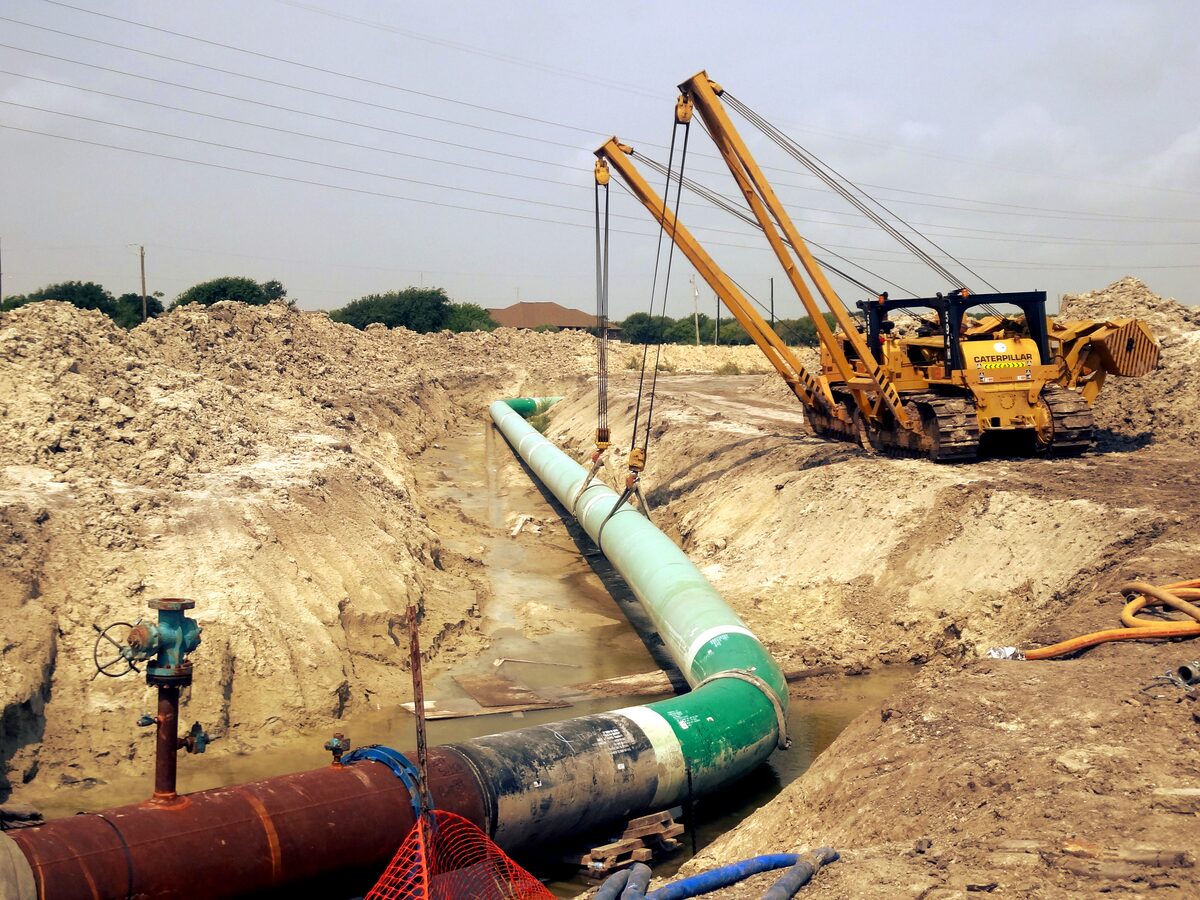
We plan for these before you sign. Nobody loses a day.
Here is where a tracked loader stops.
- Overhead limbs. A tracked loader cannot trim limbs above the cab.
- Slopes and ditch banks. They need an excavator or a boom. Tracked loaders work best on ground with little to no slope.
- Live lines. Texas law bars people and equipment within 6 feet of a high-voltage overhead line unless the utility first arranges a clearance. See Health and Safety Code Chapter 752. The ANSI Z133 standard sets a 10-foot hazard zone for lines of 50 kV or less. Both apply to the tree, not only the equipment. We mulch no tree that can reach a line until the utility clears it.
- Rock and buried markers. A rock or a buried trunk can stop a mulching head. Road shoulders add base rock, culverts, signs and cable markers. We walk first and plan for them.
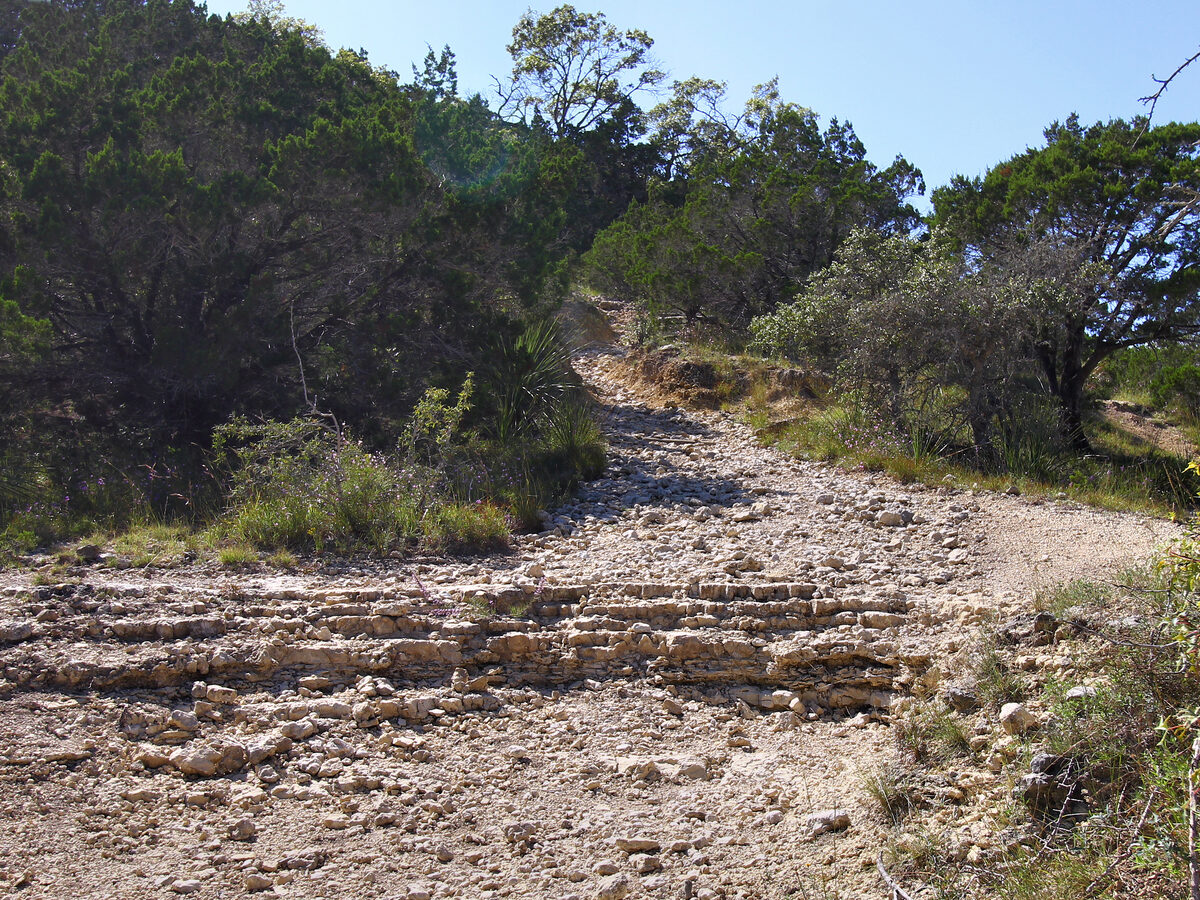
Oak wilt season and nesting season set the calendar. Winter is the open window.
September through February is the best clearing window in Central Texas. Texas A&M Forest Service advises against wounding oaks from February through June. Our rule is no mulcher contact with oaks from February 1 to June 30. See the Texas A&M Forest Service oak wilt guidance.
Golden-cheeked warbler and black-capped vireo nesting runs March 1 to August 31. We plan around that whole span. If your section runs through mature juniper and oak, the Austin office of the U.S. Fish and Wildlife Service should confirm habitat before clearing.
- September through January. Clears both oak wilt and nesting.
- February. Clears nesting, but not oak wilt.
- March through August. Open cedar and brush away from oaks and habitat only, and only after we walk it.
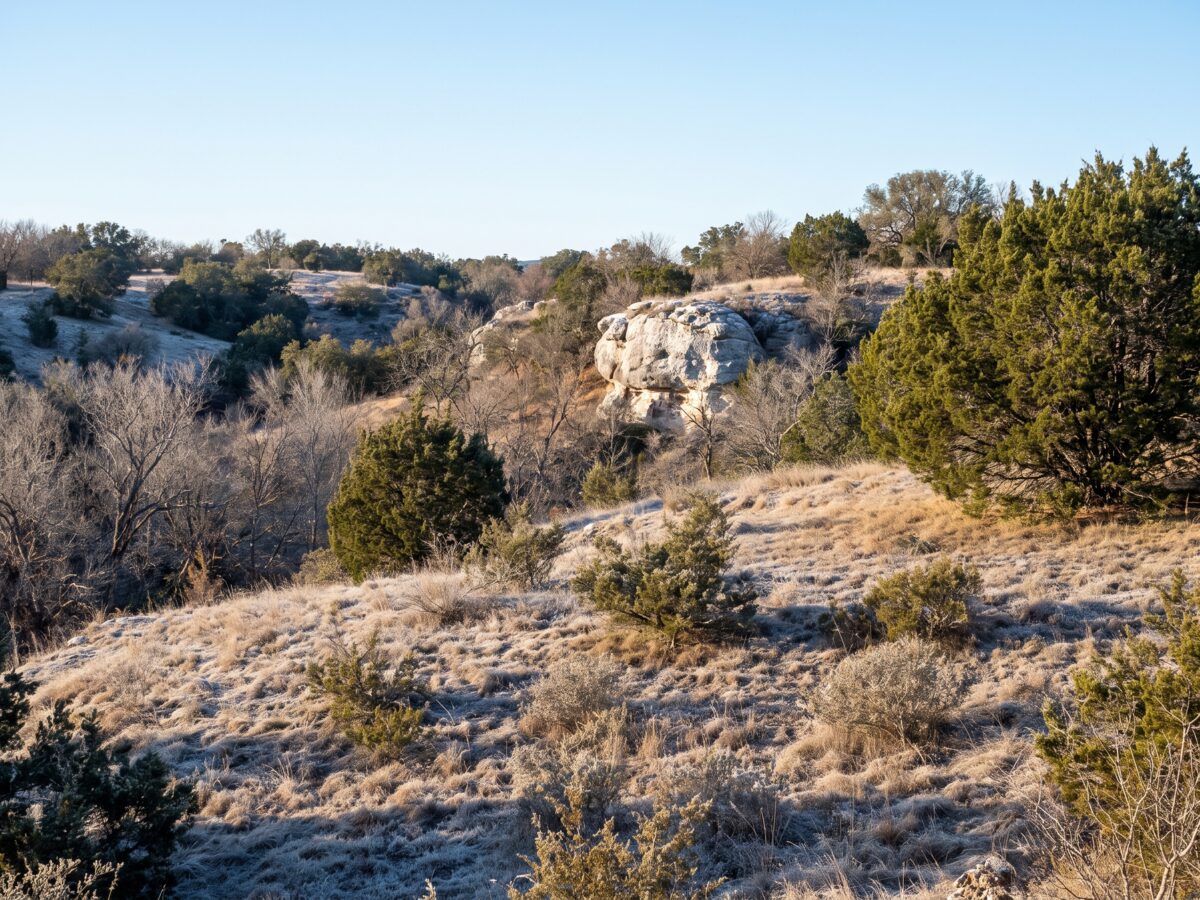
Our paperwork arrives before the equipment does. Send us yours.
Send us your subcontractor packet and any prequalification requirements. We answer in writing, line by line.
Certificate of insurance
We name you as additional insured on the certificate before work starts.
General liability
$2 million per occurrence and $5 million aggregate, with THREE, a Berkshire Hathaway company.
Commercial auto
$1 million commercial auto liability.
Safety packet
It goes out with the certificate before work starts.
Your prequalification
If your contract needs a platform, a limit or a bond, send the requirement. Our broker can submit a bid or performance bond to a surety for each project once we have the form, the value and the obligee. Underwriting takes about 30 days and approval is not guaranteed.
Photo set
We send the job photos at closeout, so you can show your owner what you delivered.
Do you compete with us for the owner?
On your jobs, the customer is yours. We take direction from you and bill you. We do not go around you to the owner.
Can you start on short notice?
Call with the location, the start window and how long. We tell you yes or no on the call. We confirm the start date once we have your dates.
Can you work in nesting and oak wilt season?
Nesting runs March 1 to August 31. We plan around that whole span. Texas A&M Forest Service advises against wounding oaks from February through June. Our rule is no mulcher contact with oaks from February 1 to June 30. September through January clears both.
How far will you go?
We work out of Austin across Central Texas. For a farther job, call with the location and the length. We tell you what is possible.
What does it cost?
It depends on the scope, the days and the ground. We walk the site and send written terms within 48 hours. We do not quote on the first call.
Do you have ISNetworld, an umbrella policy or a safety record we can show?
Send us what your contract requires. We answer in writing, line by line. Our certificate of insurance and safety packet are ready now.
We run our own mulchers. Why add you?
Good. Your own fleet may be right most of the year. We cover winter stacks, overflow and whole brush sections. When the gap closes, the sub leaves.
Who runs the machines, and what do you need on site?
Our operators run them under your direction. Send your site rules and any training requirements before mobilization. We answer in writing.
Pages written for other buyers.
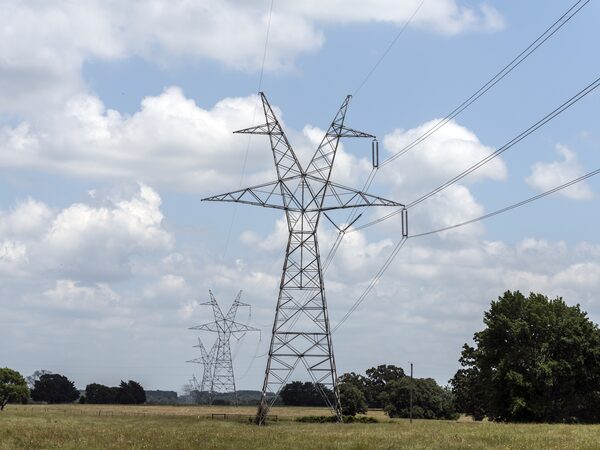
Photo credits
- Forest Service fuels project: Intermountain Forest Service, USDA Region 4 Photography, Public domain
- Pipeline construction: Jay Phagan, CC BY 2.0
- Hill Country limestone: Larry D. Moore, CC BY 4.0
- Balcones Canyonlands NWR: Toniklemm, CC BY-SA 4.0
- Transmission line, Texas: Carol M. Highsmith, Public domain
- Ranch fence, Texas: USDA NRCS Texas, Public domain
- Fence post driver: USFWS Mountain Prairie, Public domain
- Big Thicket prescribed burn: NPS Photo, Public domain
Images marked illustration are computer generated.
Rather just talk
to a person?
(512) 880-8888
Call or text · 512-880-8888 · Bring the location and the start window.