


Before any foundation gets poured, any addition gets built, or any landscaping project begins — the ground has to be prepared first. Excavation is where every project begins. Understanding the process helps you hire the right contractor, ask the right questions, and avoid the kind of costly mistakes that don't show up until it's too late.
// In This Guide
// 01 What Is Foundation Excavation?
Excavation is the controlled process of removing material to prepare a site for construction. Foundation excavation specifically means digging to a precise depth and dimension required to create a stable base for a home, addition, or structure.
Whether you're prepping for a new build, adding a pool to your backyard, or starting a major landscaping project — the principle stays the same: the ground must be properly prepared before anything can go up or into it.
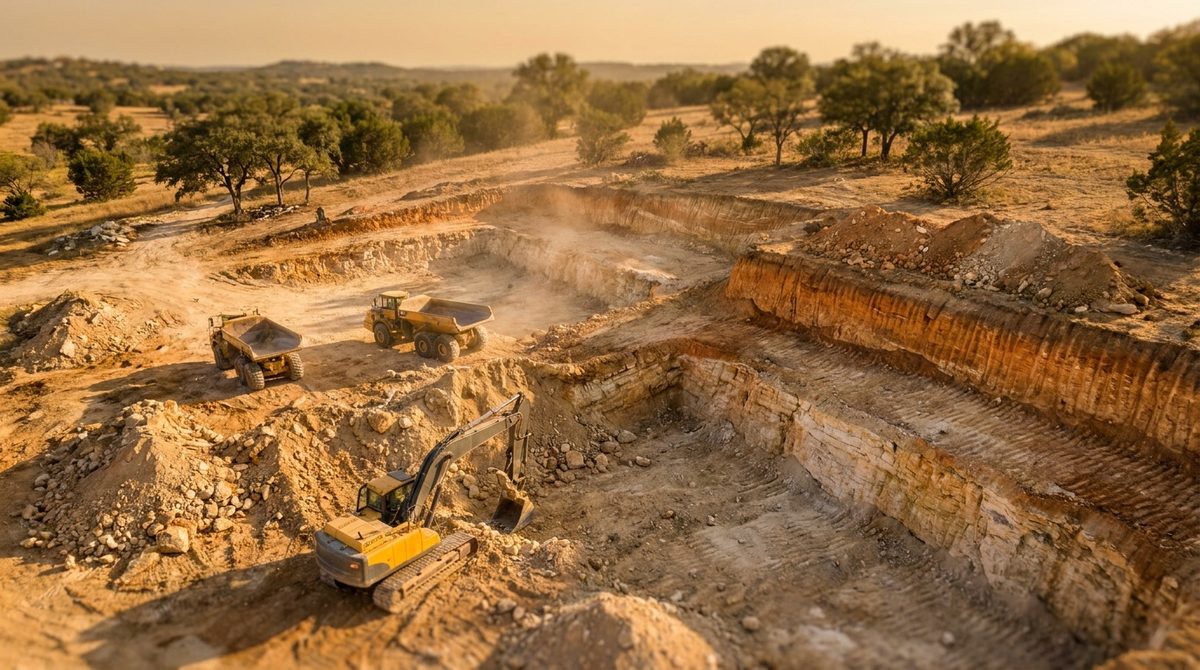
// 02 What the Process Actually Involves
Many homeowners picture excavation as simply digging a hole. The reality is more precise — and more consequential. Here's what a thorough excavation job actually covers:
Reaching Stable Soil
Contractors aren't digging to a predetermined number — they're digging until they reach ground stable enough to support your structure's load. How deep that is depends on the foundation type and what's actually in the ground at your specific site.
Cut and Fill
Most lots aren't flat. Excavation involves evening out the terrain — cutting down high areas and filling low ones to match your design elevation. The amount of cut and fill directly affects both cost and timeline. A good contractor assesses this before work begins so there are no surprises.
Grading and Drainage Prep
Once excavation is complete, the surrounding area must be graded to direct water away from your structure. This step is often treated as an afterthought — and it's one of the leading causes of drainage failures down the road. It isn't optional.
Trenching
Most projects require more than just the main dig. Trenches are cut for anything running underground — utility lines, drainage, plumbing. A good contractor knows the correct depth and slope for each line so everything functions properly for years to come.
"Grading is often treated as an afterthought. In our experience, it's one of the most common causes of long-term drainage problems. We assess drainage before a single bucket of dirt moves."
— ClearGround, Austin TX · Salt Lake City UT
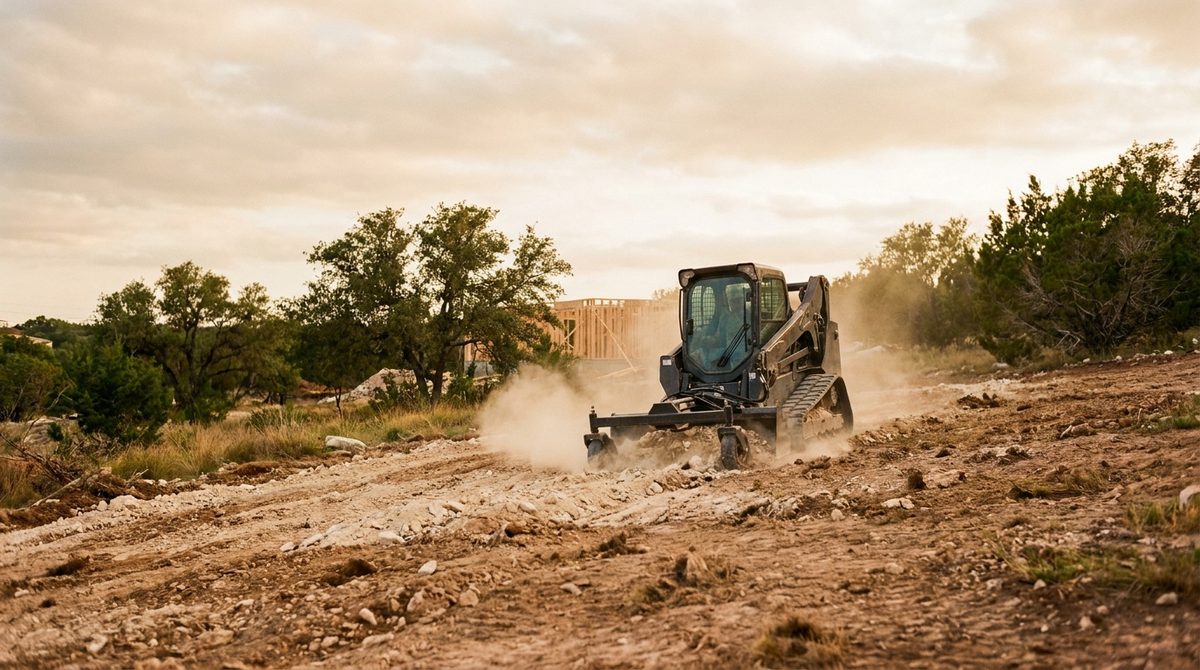
// 03 What Drives Excavation Cost
Excavation is usually measured by cubic yard — but that rate alone won't tell you your final price. Here's what actually moves the number:
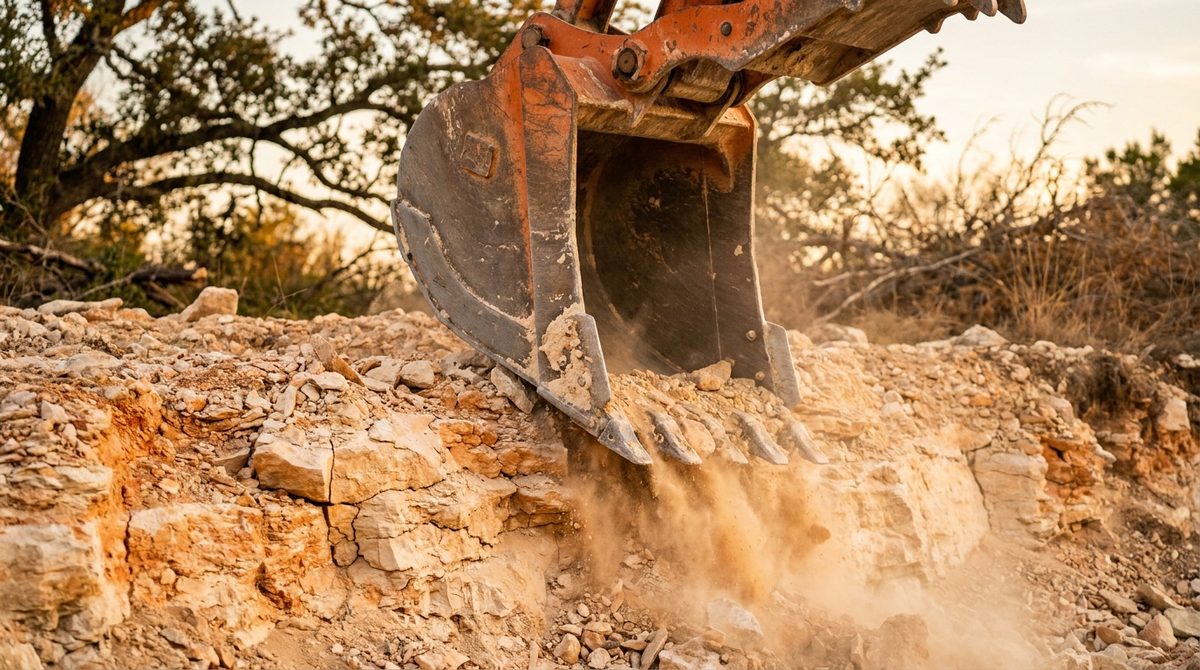
// 04 What to Look for When Hiring
Not all excavation contractors work the same way. Here's what separates a reliable one from one that'll cost you more down the road.
- Vague quote with no line-item breakdown
- No mention of disposal or haul-off policy
- Can't provide photos or references from past jobs
- Unfamiliar with local soil and rock conditions
- Doesn't assess drainage before starting
- Detailed quote: depth, disposal, backfill all specified
- Local experience with your region's ground conditions
- Photos and references from similar past projects
- Proactively discusses drainage and grading
- Transparent about what's included — and what isn't
Before You Sign Anything — Ask These Questions
- What is the estimated excavation depth, and how could that change based on what you find?
- Is dirt and rock disposal included in the quote, or is that extra?
- How do you handle the grading and drainage around the excavated area?
- Can you show me photos or references from similar projects in this area?
- What happens if you hit unexpected rock or soil conditions mid-project?
- What documentation will I receive when the project is complete?
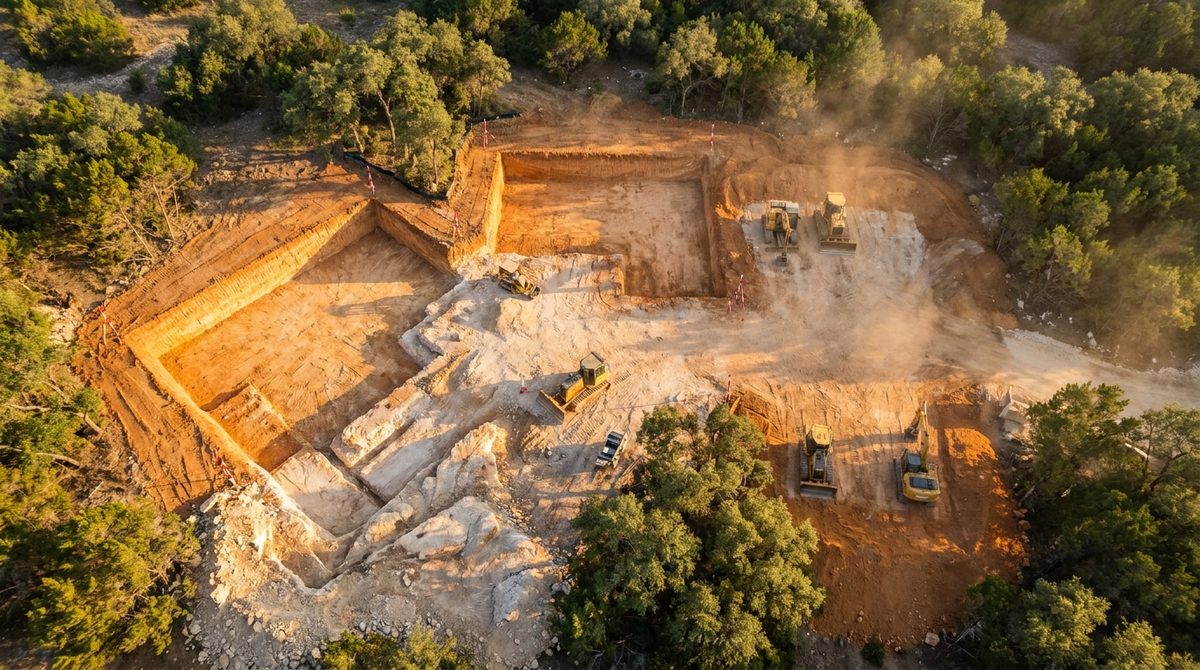
// Ready to Start Your Project?
Excavation Done Right —
From the First Scan.
ClearGround handles foundation excavation and site prep with RTK-verified drone documentation on every project. No guesswork. No surprises on billing day.
Get a Free QuoteServing Austin, TX · Salt Lake City, UT