


Austin pool demolition & removal — done right the first time.
Full removal or an honest engineered fill-in — with engineered backfill compacted in lifts so the ground never sinks, and drone documentation from the first scan to the final grade. Every project is priced after an RTK scan of your actual site, not a guess over the phone. Heavy iron, tight residential yards, Hill Country limestone — this is what we do.
±0.5cm RTK · 48-hour mobilization · Serving the Austin metro
On-site, about 30 minutes, no obligation. We'll call to schedule.
Three honest options. One trap.
Pool demolition isn't one product. What's right depends on whether you're staying or selling, your budget, and what you want the yard to be afterward. Here's the full spectrum — including the one we won't sell you.
- Top broken, rubble pushed in the hole
- No compaction, no testing
- No documentation of any kind
- Settling yard, failed drainage
- Undocumented fill on your Texas seller's disclosure
- Top of the shell removed and hauled off
- Bottom broken and perforated for drainage
- Engineered backfill compacted in lifts + compaction-tested
- Restored to grade
- Honesty check: it's still a former pool — it must be disclosed when you sell. Not ideal if you're selling soon.
- Full shell broken out and hauled off
- Engineered backfill compacted in lifts
- Regraded to drain — buildable footprint
- Cleaner disclosure: removed, not buried
- Licensed, insured, permit pulled for you
- Everything in Pool Removal, plus:
- RTK drone scan before & after (±0.5cm)
- Finished-yard restoration (sod / xeriscape / patio)
- Resale Protection Packet + 3D digital twin
Selling your home? The removal decision changes when a buyer, appraiser, and lender will read your disclosure. See our guide for sellers →
Here's exactly how a Clear Ground removal runs — documented at every phase.
Scan before we
break ground
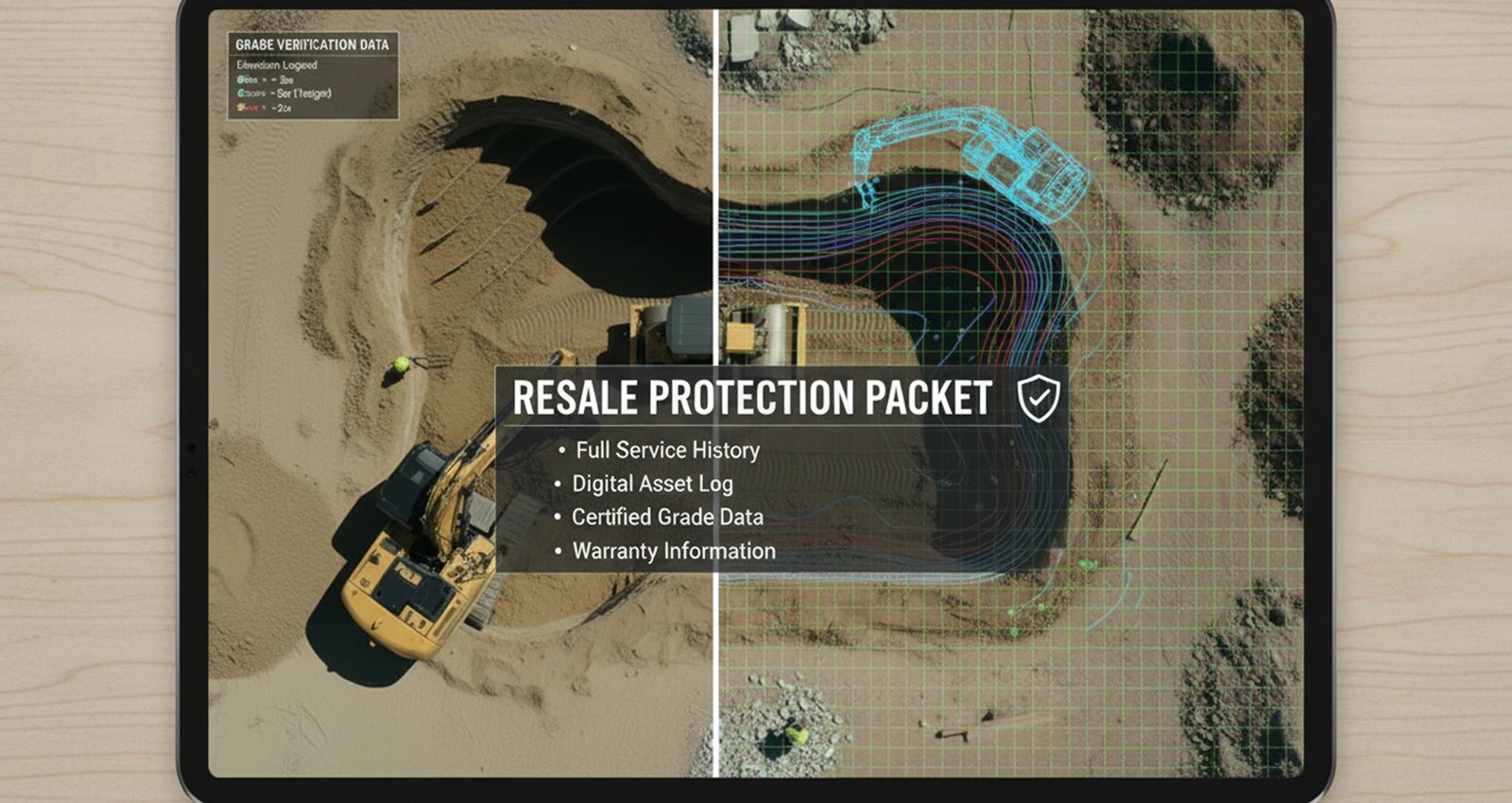
A pre-demolition RTK drone scan maps the pool shell, the access path, and your existing grade before any machine moves. You see the starting condition in 3D — the record that every later step is measured against.
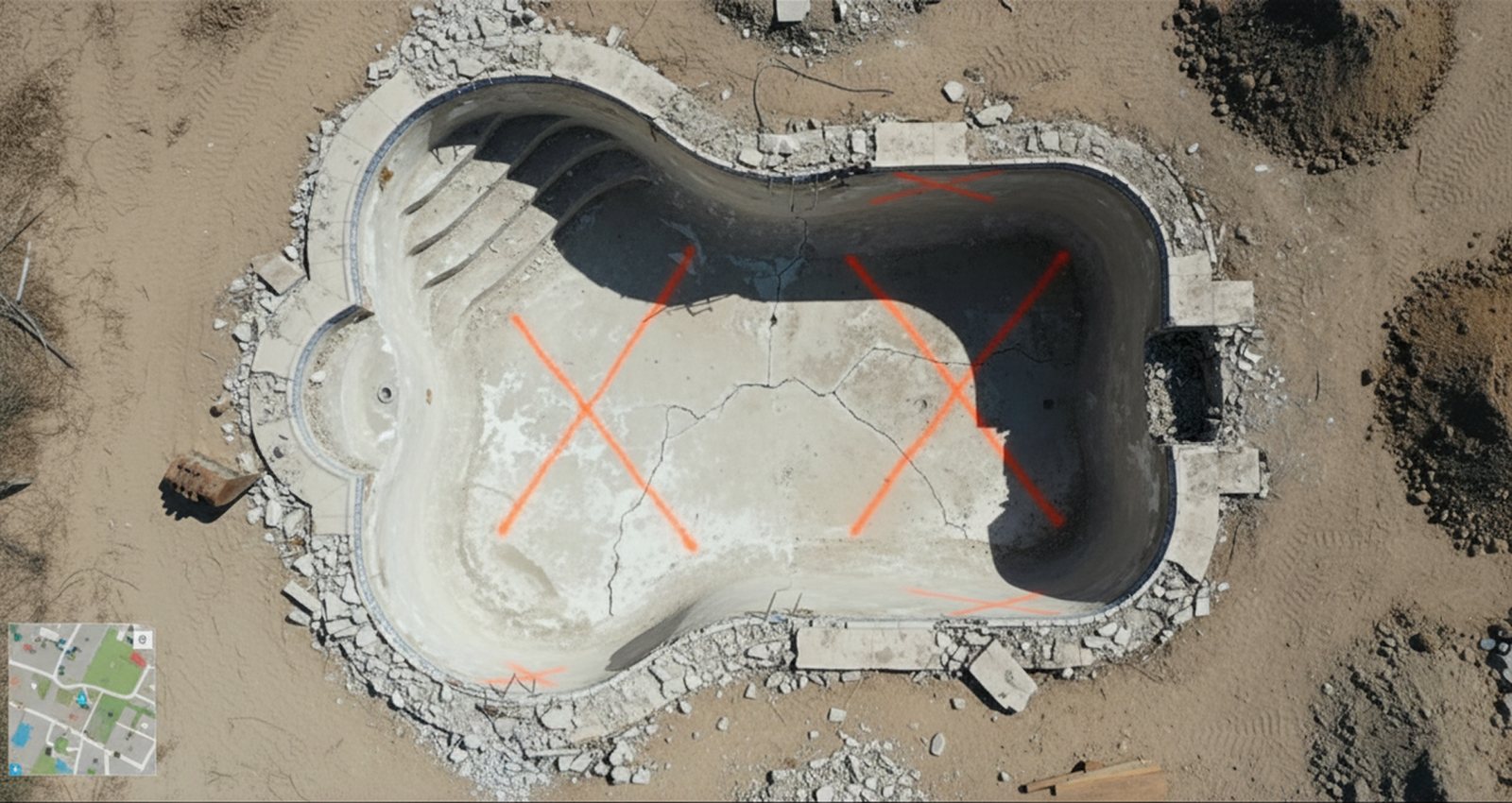
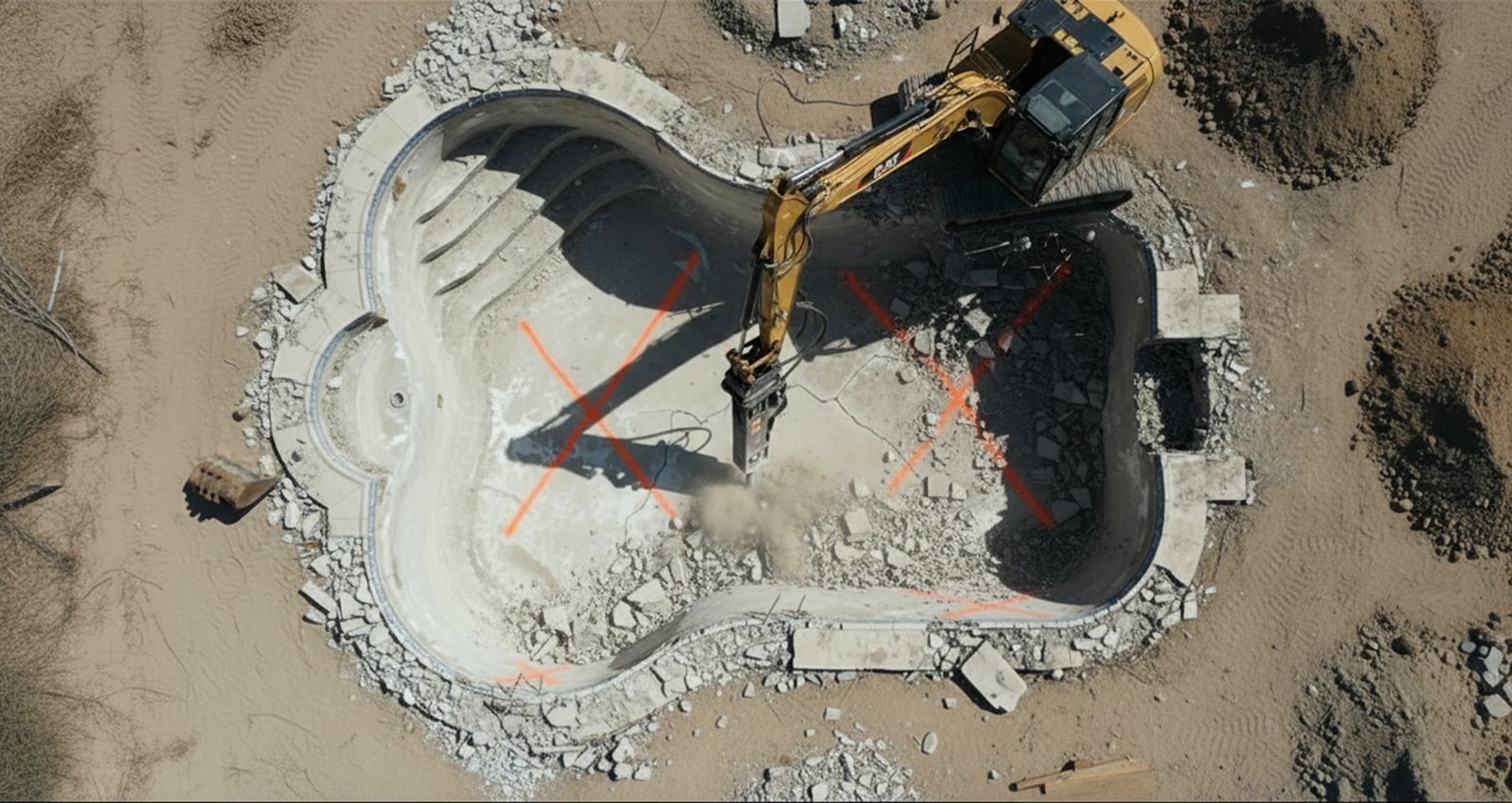
Full break-out.
Not a fill-in
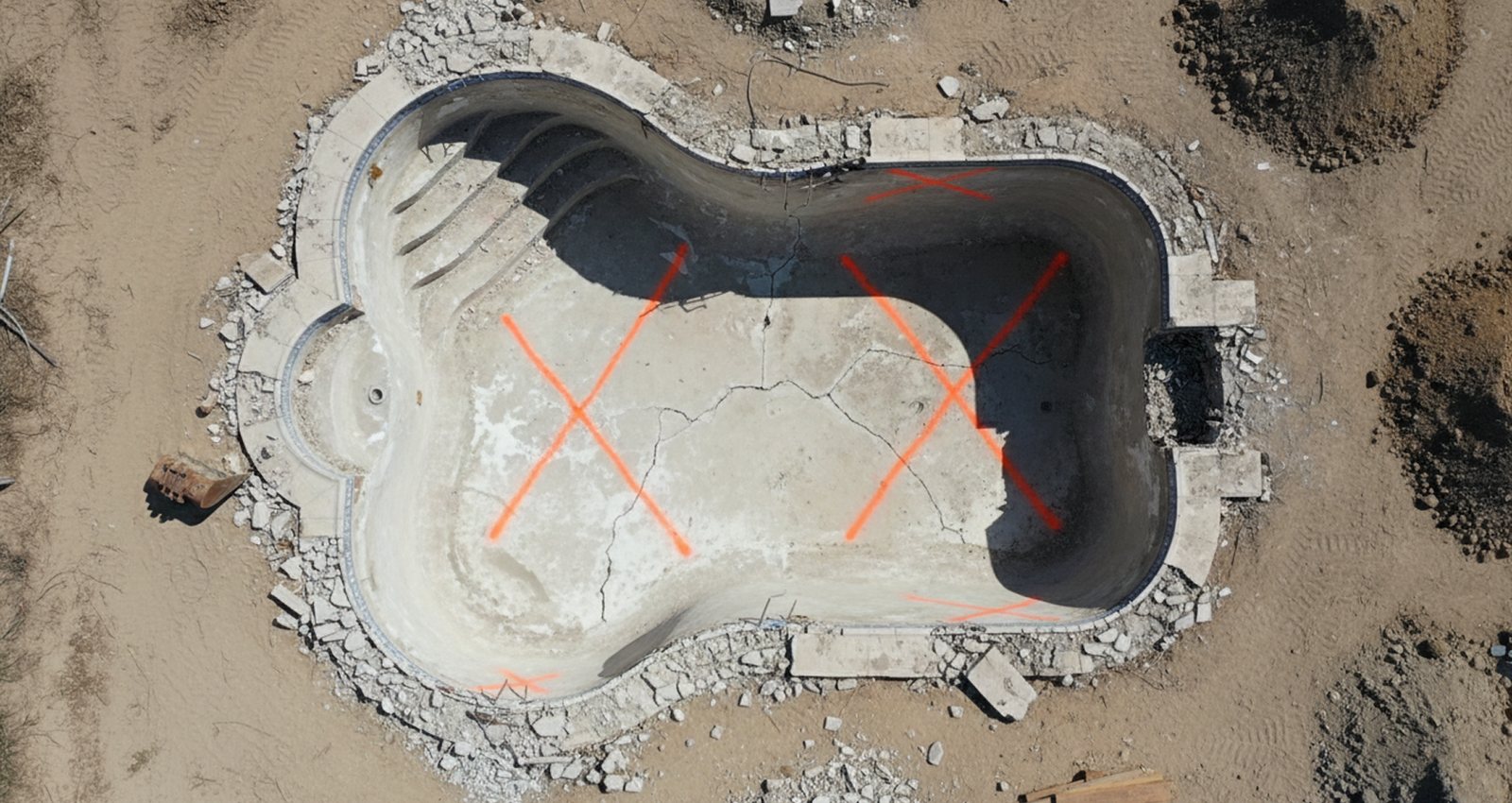
The shell comes out entirely. A CAT 308E2 CR compact-radius excavator works tight residential yards; an NPK GH6 hydraulic hammer breaks gunite and rebar with a low-vibration protocol next to your house and fence lines. We break the pool — not the foundation.
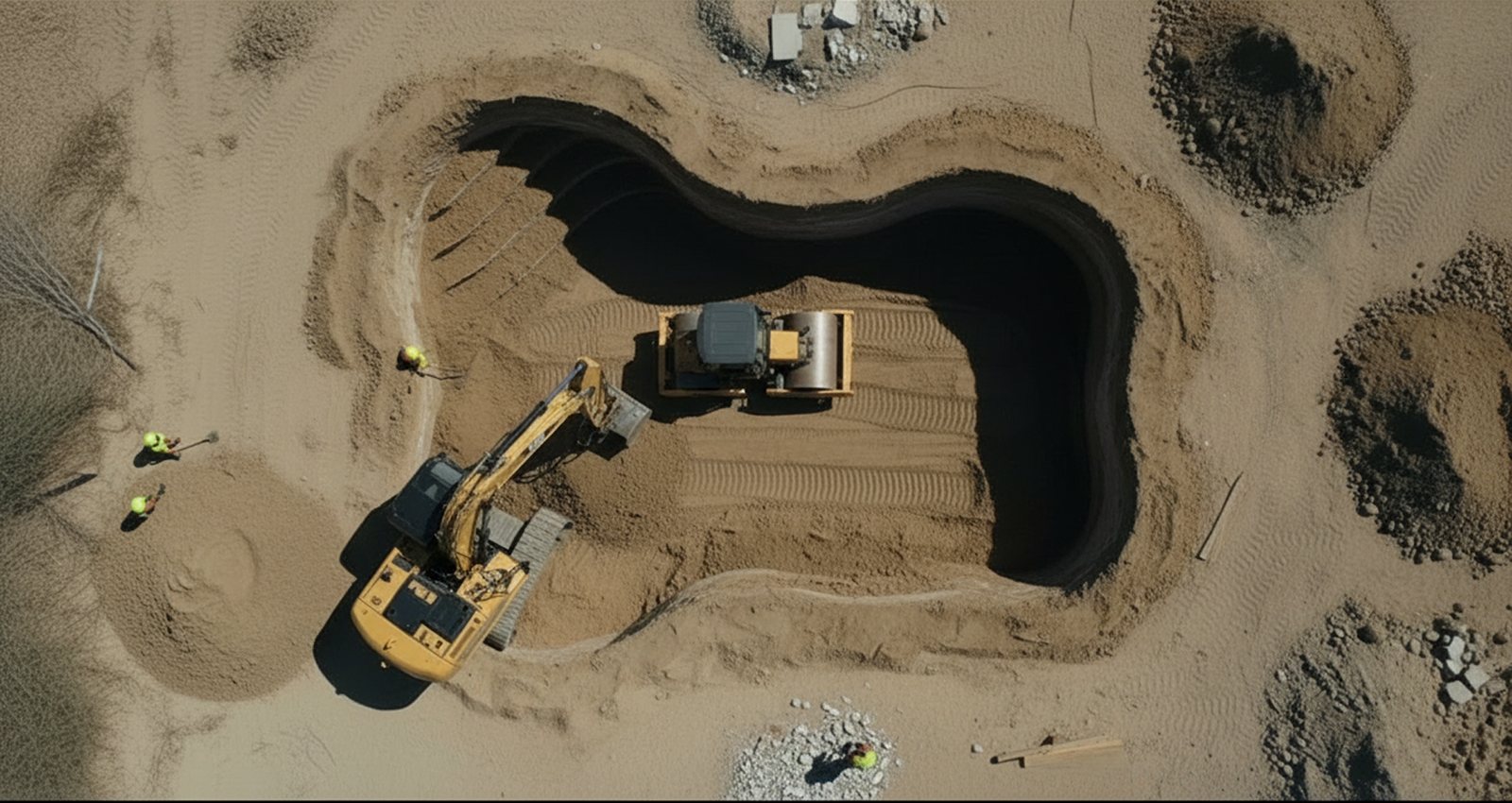
Compacted
in lifts
Engineered backfill goes in placed and compacted in measured lifts — not dumped. This is the step the cheap crews skip, and the reason their yards settle and drainage fails two years later. It's documented as it happens.
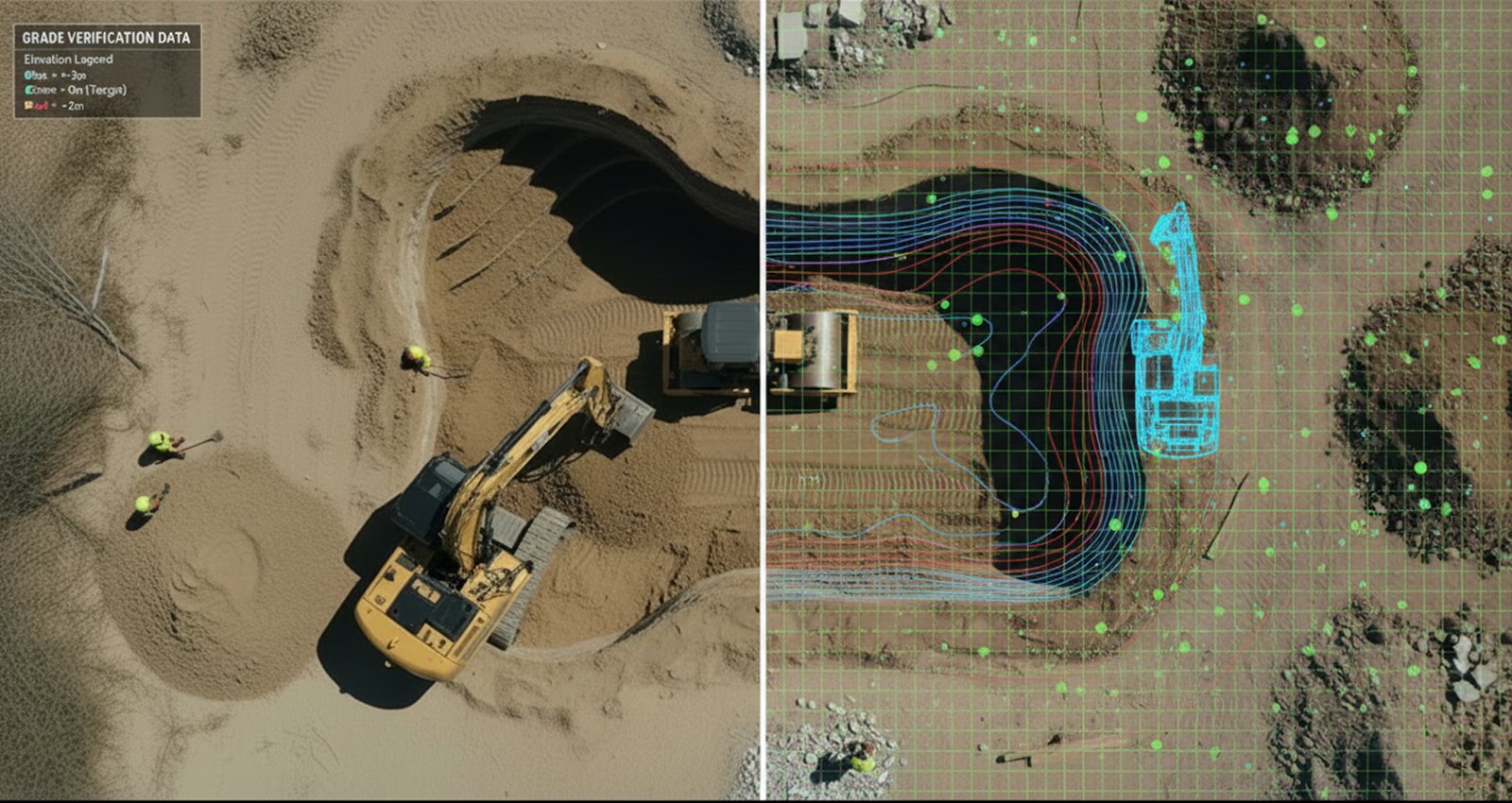
Verified at
original grade
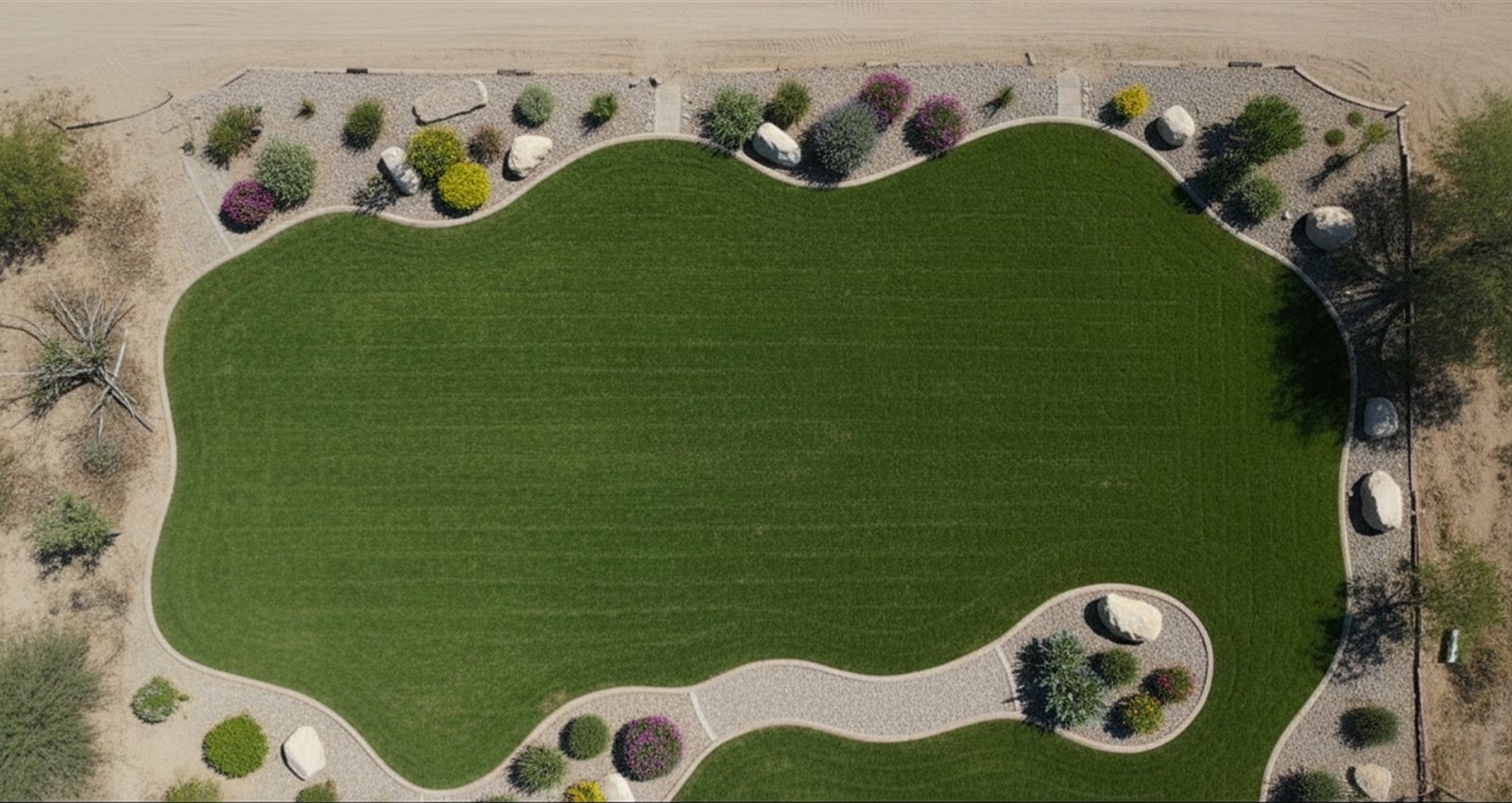
The yard is restored to original grade and RTK-verified against the pre-demolition scan — survey-grade proof the ground came back where it started. Before and after, same coordinates, no guessing.
A packet,
not a question
Every full removal closes with a Resale Protection Packet: grade verification, compaction record, timestamped removal photos, and a 3D digital twin of the restored yard — hosted and shareable. When you sell, you hand the buyer a packet, not a question.
Honest numbers. The full spectrum.
Most pool demolition pages hide the price. Here's the real range for the Austin metro — including the cheap option we don't offer, and why.
- Shell rubble left in the ground
- No compaction in lifts
- No documentation
- Settling yard, failed drainage
- Undocumented fill on your disclosure
- Top removed + bottom perforated for drainage
- Engineered backfill compacted + tested
- Restored to grade
- Cheaper — but disclosed at sale
- Full shell break-out + haul-off
- Engineered backfill compacted in lifts
- Independent compaction testing
- Regraded to drain · buildable
- Licensed, insured, permit pulled for you
- Everything in Pool Removal, plus:
- RTK scan before & after (±0.5cm)
- Finished-yard restoration (sod / xeriscape / patio)
- Resale Protection Packet + 3D digital twin
- $5M liability coverage
Every project is confirmed with an RTK site scan before we quote — not after. Price is driven by pool size, whether it's raised or has a spa/deck, site access (tight side yards or a crane), Hill Country limestone, and haul-off. Rock excavation is billed transparently at $250/hr. Large, raised, or access-limited pools run to the top of the range.
Priced like the last pool decision you'll make before you sell.
A fill-in is cheaper today and a liability at closing. Full removal is priced higher because it's an insured, engineered, documented job that protects the biggest number on your closing statement — your sale price.
$5M Liability Coverage
$2M-per-occurrence / $5M-aggregate general liability plus Texas workers' comp. Heavy iron works feet from your house, foundation, and your neighbor's line — fully covered. Certificate of insurance on request, before we mobilize.
Engineered & Tested
Backfill placed and compacted in measured lifts to 95% Standard Proctor, with independent third-party compaction testing. A buildable, non-settling footprint — not rubble pushed in a hole.
Survey-Grade Documentation
RTK drone scan before and after at ±0.5cm, a compaction record, timestamped removal photos, and a hosted 3D digital twin. Proof the ground came back where it started.
Built to Sell for More
Full, honest disclosure done right. "Removed and documented" answers the appraiser, lender, and buyer questions a buried fill-in raises — so the pool stops discounting your home and the yard becomes an asset on your closing statement.
Permitted & HOA-Handled
We pull the demolition permit for you and prep the HOA / ACC package. No violations, no stop-work order, no surprise at the closing table.
One Crew, Founder-Accountable
Cody's name is on the job — one point of responsibility, 48-hour mobilization, documented start to finish. Not a fill-in crew that breaks the top and drives off.
The honest spectrum: an engineered partial fill-in starts around $12,000 (typically $12,000–$25,000), full pool removal starts around $30,000, and a full removal with finished-yard restoration and resale documentation runs $45,000–$85,000. Price is driven by pool size, whether it's raised or has a spa/deck, site access (tight side yards or a crane), Hill Country limestone, and haul-off — which is why we confirm the number with an RTK site scan before we quote, not after. Rock excavation is billed transparently at $250/hr. Budget crews advertise "fill-ins" at $6,000–$12,000, but that leaves uncompacted rubble in the ground with no paperwork — a settling yard and a disclosure problem, not a demolition.
A fill-in leaves some or all of the shell in the ground; a full removal takes the entire shell out. Within fill-ins there's a critical split: a cheap "sheet" fill-in breaks the top, pushes the rubble into the hole, and caps it with dirt — no compaction, no drainage perforation, no paperwork. An engineered partial fill-in removes the top of the shell, breaks and perforates the bottom for drainage, and backfills with engineered material compacted in lifts and compaction-tested. Full removal takes everything out, backfills engineered, and leaves a buildable yard with the cleanest possible disclosure. One buries the problem; the others solve it to different standards.
Yes — the engineered partial fill-in, from $12,000. It's a legitimate, engineered job: top of the shell removed, bottom perforated for drainage, backfill compacted in lifts and tested, yard restored to grade. What we won't do is the uncompacted, undocumented "sheet" fill-in. And we'll tell you the trade-off straight: even an engineered fill-in is still a former pool that must be disclosed when you sell in Texas. If you're staying in the home, it can be the right call. If you're selling, full removal usually pays for the difference.
Yes. A former pool is a material fact on the Texas seller's disclosure — engineered or not. The difference is what you can prove. Undocumented fill reads to buyers, inspectors, and lenders as a soft spot and a drainage risk. An engineered fill-in with a compaction record reads far better. A full removal with a Resale Protection Packet (grade verification, compaction record, removal photos, 3D digital twin) reads best of all: "removed and documented," not "filled in, unknown."
In most Austin-metro jurisdictions, yes — pool demolition requires a demolition permit, and HOAs often require ACC approval as well. We pull the permit for you and prep the HOA/ACC package as part of every job, so there's no violation, no stop-work order, and no surprise when a future buyer's title or inspection process looks for it.
Yes. Clear Ground carries $2M-per-occurrence / $5M-aggregate general liability plus Texas workers' comp, and we provide a certificate of insurance (with your property named as additional insured) before we mobilize. We also pull the demolition permit for you and prep the HOA/ACC package where required.
48-hour mobilization from the go-ahead. The removal itself is typically a few days depending on pool size, access, and haul-off — all scoped from the RTK scan so there are no surprises next to your house or fence line.
Rather just talk
to a person?
512-880-8888
Call or text · Leander · Cedar Park · Round Rock · Georgetown
Pflugerville · Liberty Hill · Hutto · Lakeway · Bee Cave