Austin's limestone doesn't surprise us.
We've already mapped it.

We Scan
Before We Dig.

RTK-verified excavation from pool shells to foundation pads. Every cut measured to centimeter accuracy. Every yard of material documented in 3D — before, during, and after.
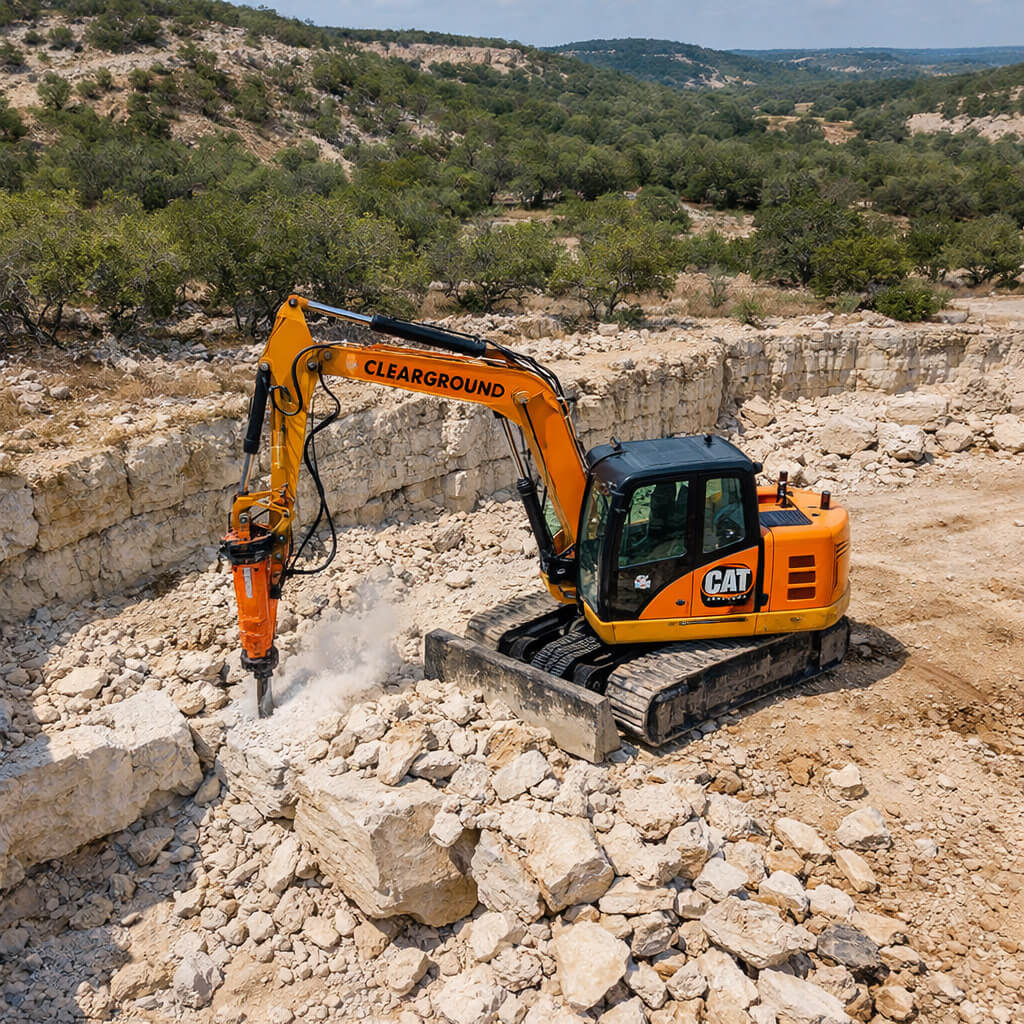
Video · 15–30s Loop
±1cm
RTK Grade Accuracy
3D
Digital Twin Delivered
48hr
As-Built Turnaround
0
Billing Surprises
MOST CLEARING CREWS DON'T DOCUMENT ANYTHING

AT ANY PHASE OF YOUR CLEARING
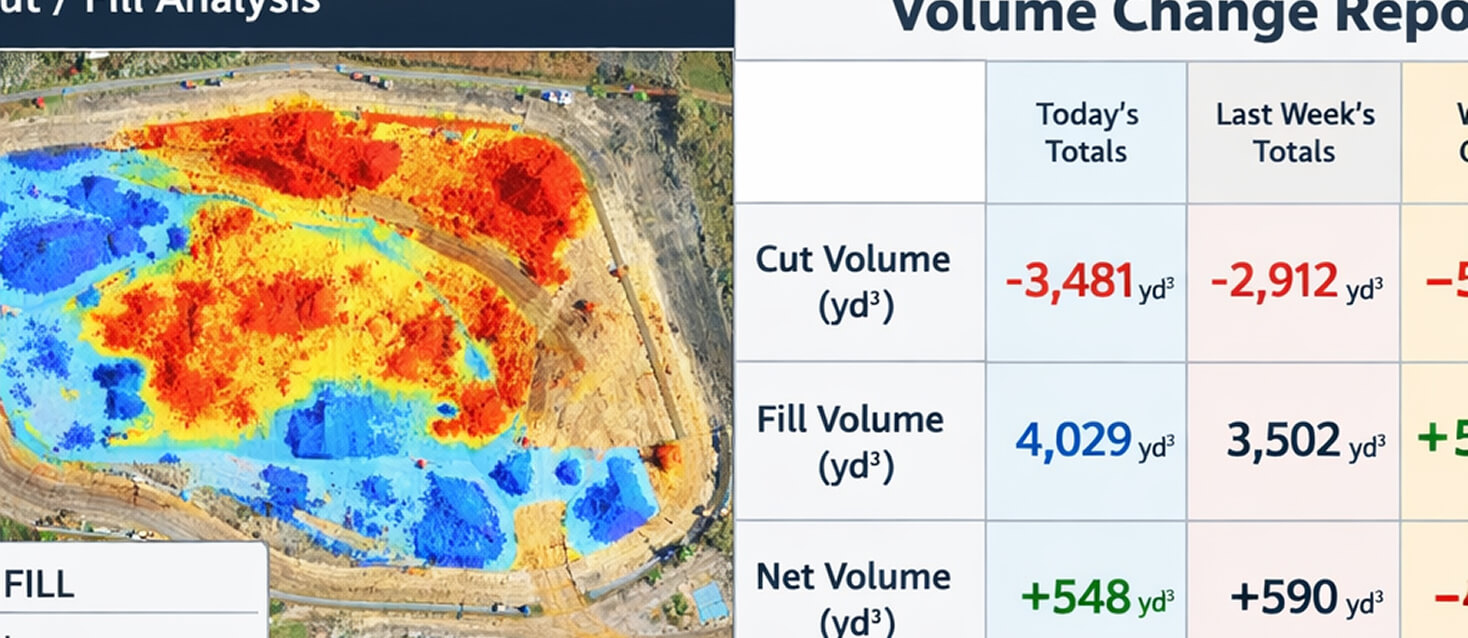
SEE EXACTLY WHAT CHANGED

Pre-Mobilization
Phase 01 — Before the First Cut

We Scan Before We Dig.

Most contractors show up with a machine and a gut feeling. We show up with a Mavic 3 Enterprise RTK drone that maps your site to ±0.5cm horizontal accuracy before a single bucket moves. Rock shelves get located. Grade differentials get modeled. Subsurface limestone depth gets mapped. Every variable that causes change orders on other excavation jobs gets accounted for on this one — before we quote a price.
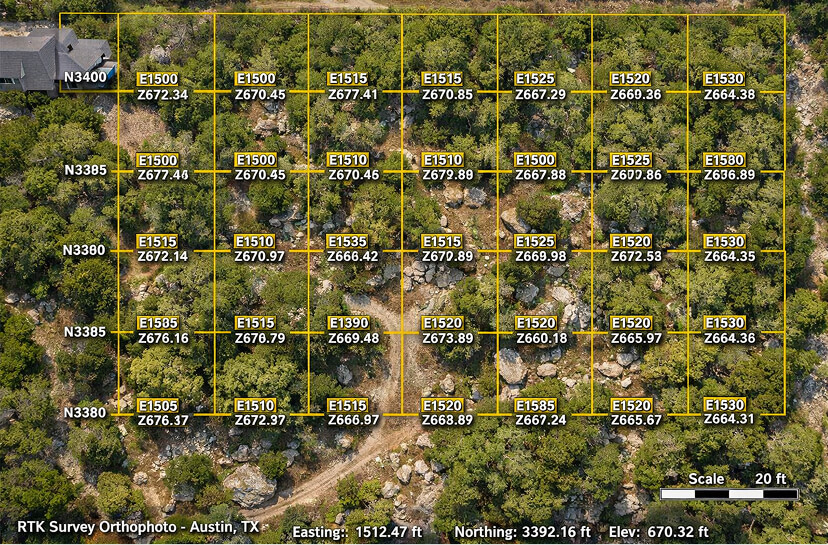
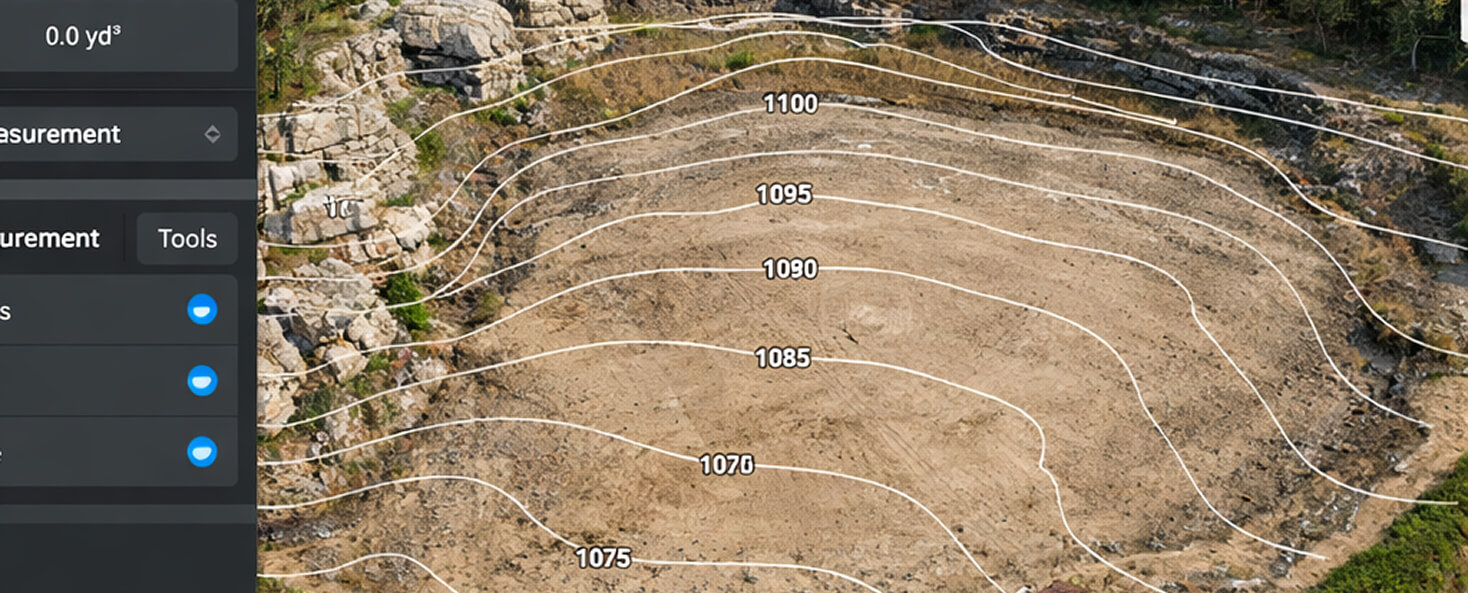
± 0.5CM HORIZONTAL ACCURACY · 48- HR MOBILIZATION · LAS POINT CLOUD + GEOTIFF ORTHOPHOTO
1/5
2/5
3/5
4/5
5/5

Every photo and every frame is from real ClearGround job sites. No stock. No renders. What you see is what we do.
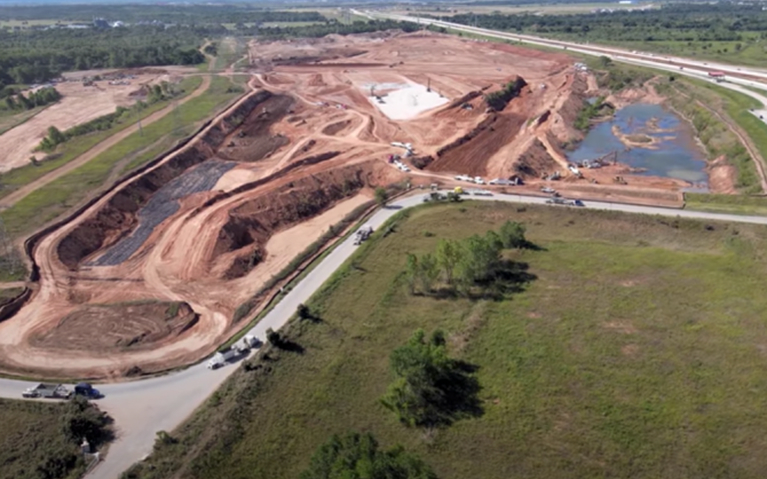
Video · Drone Flyover
Photo
Completed pool shell excavation
Clean limestone walls, grade stakes
Photo
RTK drone in flight over job site
DJI Mavic 3 Enterprise with base station
Screenshot
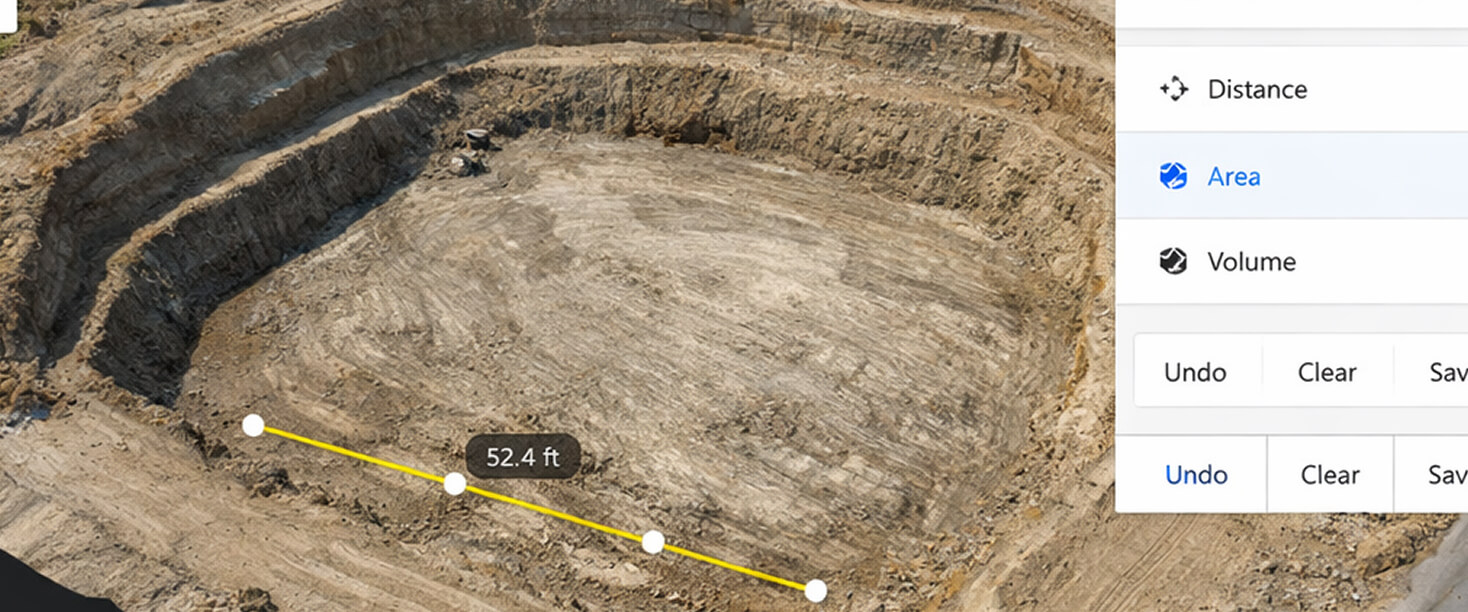
DroneDeploy 3D model output
Point cloud or mesh render
Video · Time-Lapse
Job Site Time-Lapse
Full excavation compressed to 15–30 seconds
Fixed camera angle, dawn to completion
GoPro or fixed camera time-lapse of a full excavation job. Shows the transformation of the site over 2-5 days compressed into a short loop.
Photo
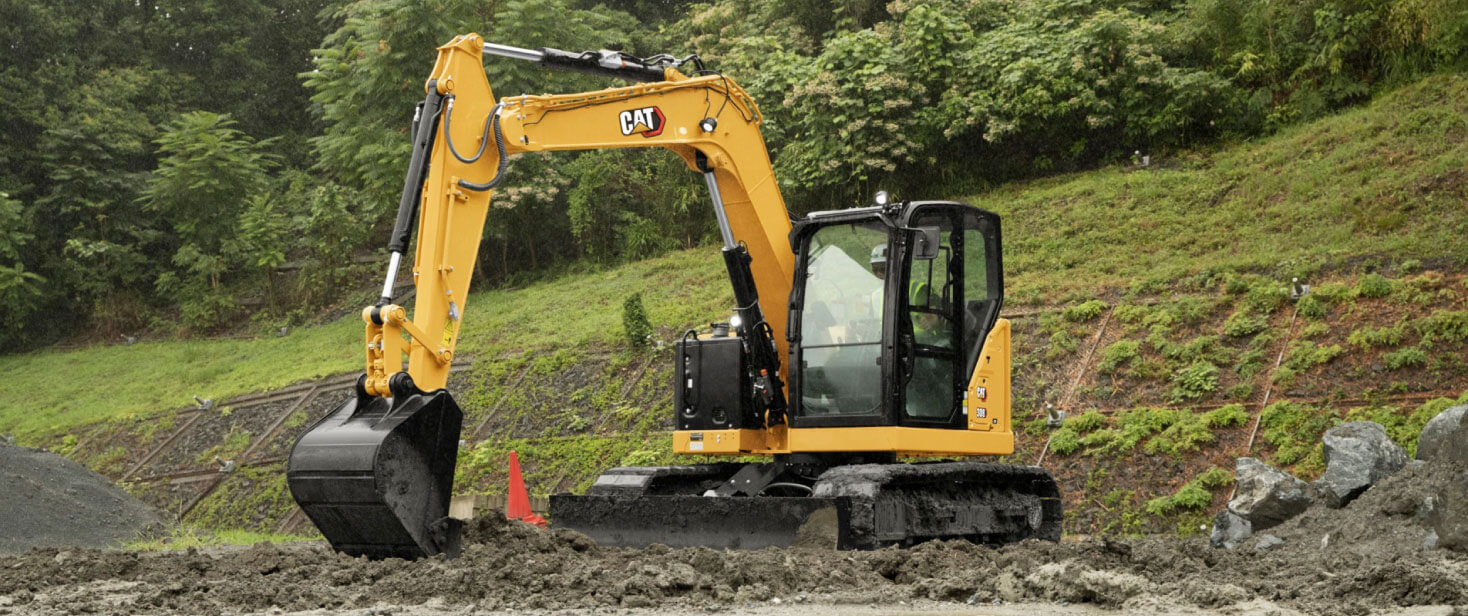
CAT 308E2 CR on tight Austin lot
Heritage tree visible, CRZ flagging

Excavation is where the ground gets shaped for what comes next. In Central Texas, that means working with some of the hardest rock formations in the state — and documenting every yard moved.

Transparent pricing is part of how we work. The ranges below reflect real project costs in the Austin and Hill Country market. Where a price can swing, we tell you why — because the same geology that makes this work interesting also makes it variable. Your site scan reveals the specifics before we quote, so the number you get is based on data, not a guess from the truck.
Pool Shell Excavation
Hill Country Specialty

Precision pool digs in Hill Country limestone. The hydraulic rock hammer carves shell profiles to spec — including complex freeform designs — with low-vibration operation next to existing slabs, patios, and foundations. A pre-excavation RTK scan reveals the subsurface rock profile in 3D so you know exactly what you're digging into before the first bucket moves.

Duration: 1–5 days Equipment: CAT 308E2 CR · Rock Hammer
$2,500 – $15,000+
Varies by shell design complexity and rock conditions beneath the dig zone.
What drives the price up: Limestone encountered below 18" adds rock hammer time — a standard soil dig runs 1–3 days, but a full rock excavation can push to 2.5 weeks. Freeform pool designs with deep ends and benches require more precision cuts than rectangular shells. Work adjacent to existing slabs or foundations requires low-vibration techniques that take more time but protect what's already built.
Limestone & Rock Excavation
Premium Rock Work

Hard limestone as shallow as 18 inches below grade. Standard rental equipment breaks on it. ClearGround's hydraulic rock hammer handles the geology nobody warns you about — with real-time volumetric tracking so every cubic yard removed is measured, not estimated. Rock material processed on-site as aggregate when feasible, eliminating disposal costs.

Duration: 2–10 days Equipment: CAT 308E2 CR · Hydraulic Hammer · RTK Volumetrics
$8,000 – $25,000
Priced per cubic yard ($35–$65/cu yd) based on volume and rock hardness.
What drives the price up: Rock hardness varies significantly across the Hill Country. Standard limestone breaks predictably, but "blue rock" — a denser formation common in parts of Lakeway and Bee Cave — can double hammer time per cubic yard. Depth matters too: surface rock clearing is faster than deep excavation where material has to be broken and lifted. We RTK-scan before quoting so the estimate reflects your actual geology, not an average.
Site Prep & Pad Prep
Foundation-Ready

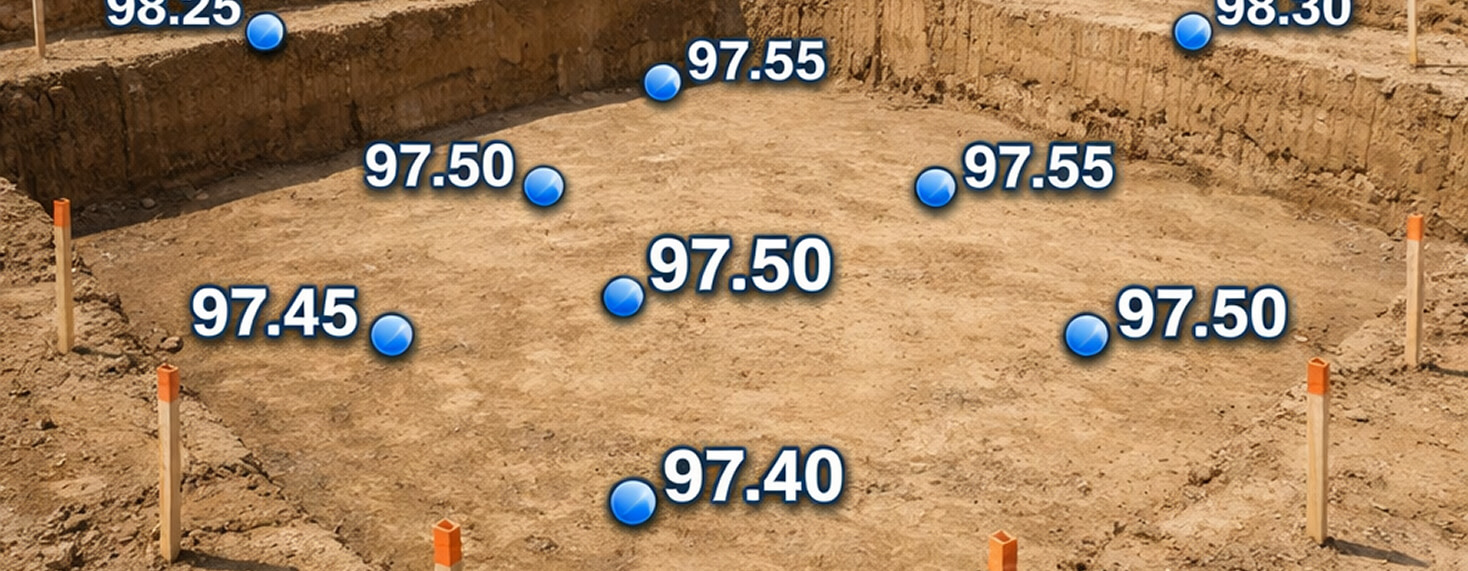
Residential and light commercial pad creation. Cut and fill to engineered grade with RTK-verified elevation checks throughout the process — not just a final survey after the fact. Foundation-ready delivery for single-family homes, ADUs, and small commercial structures.

Duration: 2–5 days Equipment: CAT 308E2 CR · GPS Grade Control
$5,000 – $15,000
Based on lot size (typically 0.25–1 acre) and volume of cut/fill required.
What drives the price up: Significant elevation changes require more material to be moved — a flat lot is straightforward, but a sloped Hill Country lot with 6+ feet of grade change involves substantially more cut/fill work. If rock is encountered during grading, the scope shifts from earthwork to rock excavation rates. Importing or exporting fill material adds trucking costs that vary by haul distance.
Foundation Excavation
Pier & Footing Work

Pier holes, strip footings, and full perimeter excavation for single-family footprints. In Austin's expansive clay soils, precise depth control prevents over-excavation that weakens bearing capacity. Every footing documented with as-built measurements before concrete is poured.

Duration: 1–3 days Equipment: CAT 308E2 CR · Auger Attachment
$5,000 – $12,000
Single-family residential footprint. Scope includes pier holes, footings, and perimeter excavation.
What drives the price up: Pier count and depth are the primary variables — a slab-on-grade with 20 piers is a different job than a pier-and-beam with 40+ holes drilled into limestone. Expansive clay soils in East Austin behave differently than Hill Country rock, and each requires different techniques. If the structural engineer calls for over-excavation and replacement fill, that adds volume and material costs.
Utility Trenching
Documented Below-Grade

Plumbing, electrical, and drainage line trenches dug to specification. LiDAR as-built scans before backfill document exact pipe locations, depths, and routing. This subsurface record becomes permanent project documentation — eliminating the "where did we bury that line?" problem on future maintenance.

Duration: 0.5–2 days Equipment: CAT 308E2 CR · LiDAR Documentation
$2,000 – $5,000
Priced per linear foot ($4–$16/ft) depending on depth, width, and soil conditions.
What drives the price up: Trenching through rock costs significantly more per foot than through soil — a plumbing trench in clay is a half-day job, while the same trench through limestone can take two days with the rock hammer. Depth requirements for sewer lines (typically 24–36") cost more than shallow electrical conduit runs. Multiple utility runs on the same site are more efficient per-foot when scheduled together.
Grading & Drainage Prep
Verified to Plan

Final grade to engineered drainage plan. Water flow modeling confirms drainage performance before the inspector arrives — not after. Positive drainage away from structures, with compliance documentation for Austin's streamlined drainage review process.

Duration: 1–3 days Equipment: CAT 308E2 CR · InSite Elevation Pro
$1,500 – $4,000
Residential lot grading to engineered drainage plan.
What drives the price up: Complex drainage plans with multiple flow paths, swales, or retention features take longer to grade precisely than a simple positive-slope-away-from-structure job. If existing grade is significantly off from the engineered plan, more material movement is required. Sites requiring Austin's streamlined drainage review documentation add verification steps — though that documentation is included in ClearGround's standard workflow.
Tight Lot & Legacy Tree Excavation
Austin Infill Specialist

50×100-foot lots. Five-foot setbacks. Protected heritage oaks. Full-size excavators can't fit. The compact-radius CAT 308E2 CR operates in spaces standard machines can't access — with RTK positioning to stay within Critical Root Zone setbacks, documented to the inch.

Duration: Varies by access constraints Equipment: CAT 308E2 CR (Compact Radius) · RTK Positioning
Project-Based
Quoted after site scan. Access constraints and tree protection requirements make every tight-lot project unique.
What drives the price up: Narrow access means slower machine positioning and more careful material staging — a job that takes 2 days on an open lot might take 4 on a constrained one. Heritage tree protection adds CRZ flagging, arborist coordination, and documented setback compliance. Work within 5 feet of existing structures requires vibration-managed techniques. These aren't hidden costs — they're the reality of doing urban infill work correctly, and your site scan will map every constraint before we quote.
Included in Every Price

Every excavation project includes pre-dig RTK drone survey, real-time volumetric tracking, and as-built digital twin delivery within 48 hours of completion. The 3D documentation that other contractors charge extra for — or don't offer at all — is standard. You're not buying excavation hours. You're buying a documented, dispute-proof excavation with 3D verification.

Pool & Estate Builders

Building custom pools in Hill Country limestone? We map the rock shelf in 3D before your crew shows up. No surprises. No broken equipment. No blown timelines.

See how we solve that →
Infill Developers

Tight lots, heritage trees, drainage reviews. ClearGround handles the full sequence from selective demo through foundation-ready grade — documented for city submission.

See how we solve that →
Civil Engineers

Survey-grade as-built data that integrates into your CAD/BIM workflow. RTK drone capture delivered as .dwg, .rvt, or point cloud. 48 hours, not 4 weeks.

See the data specs →
Photo
CAT 308E2 CR
3/4 angle, bucket extended
On an Austin job site
CAT 308E2 CR

Compact-radius mini excavator built for tight residential and urban sites. Operates where full-size machines can't fit — 50-foot lots, backyard pool digs, narrow-access infill sites.

Operating Weight: ~18,000 lbs Max Dig Depth: 15'5" Tail Swing: Compact Radius
Photo
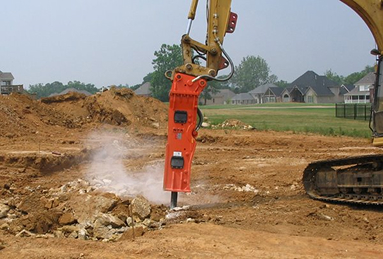
Hydraulic Rock Hammer
Mounted on CAT, mid-strike
Limestone fragments visible
Hydraulic Rock Hammer

Purpose-built for Hill Country limestone. Controlled breaking of rock formations that defeat standard buckets. Low-vibration operation critical for work adjacent to existing foundations.

Application: Limestone · Foundation Beds · Trenches Paired with: On-Site Rock Milling
Photo
DJI Mavic 3 Enterprise RTK
In flight over excavation site
Base station visible below
DJI Mavic 3 Enterprise RTK

Survey-grade drone platform delivering centimeter-accurate terrain models. Captures pre-dig conditions, monitors progress, and produces as-built documentation — all georeferenced.

Accuracy: ±1cm with RTK Correction Output: Orthomosaic · Point Cloud · 3D Mesh Delivery: DroneDeploy + .dwg / .rvt Export
We Let the Data Speak First.

Book a Site Scan

Free RTK drone survey of your site. See the terrain in 3D before committing to a scope of work. No obligation.

Book a Site Scan →